Blog
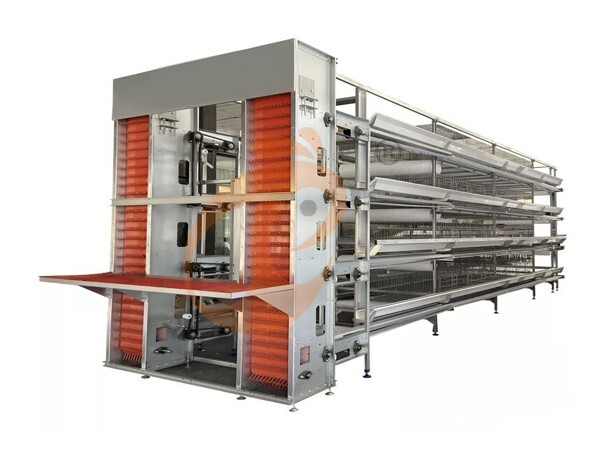
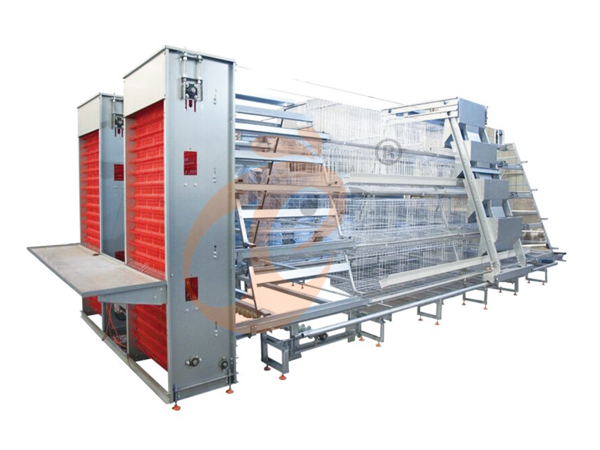
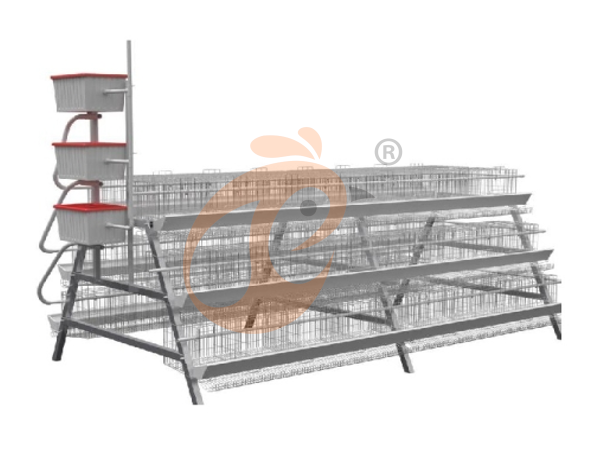
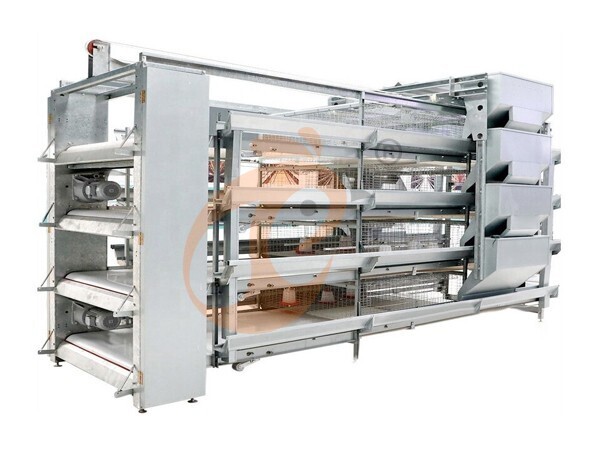
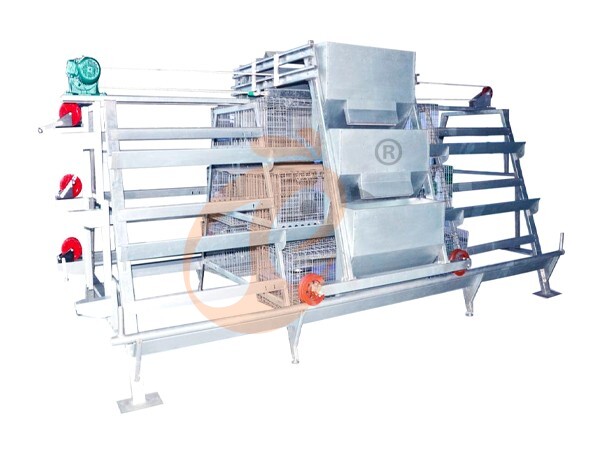
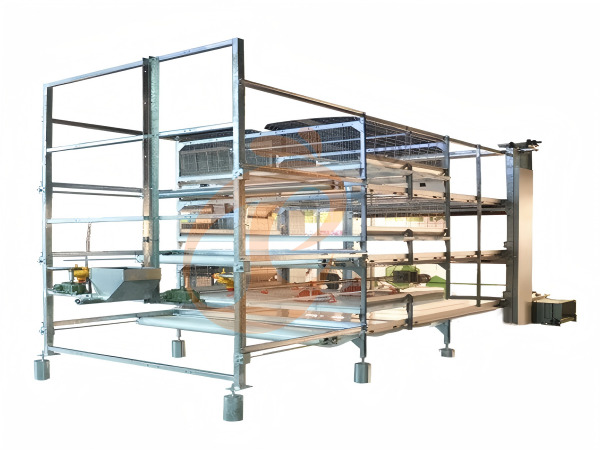
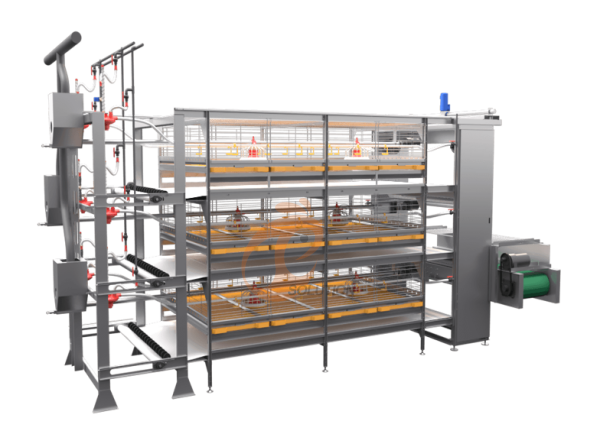
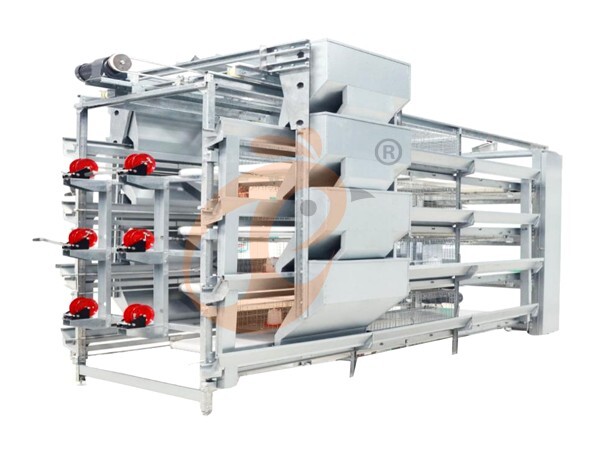
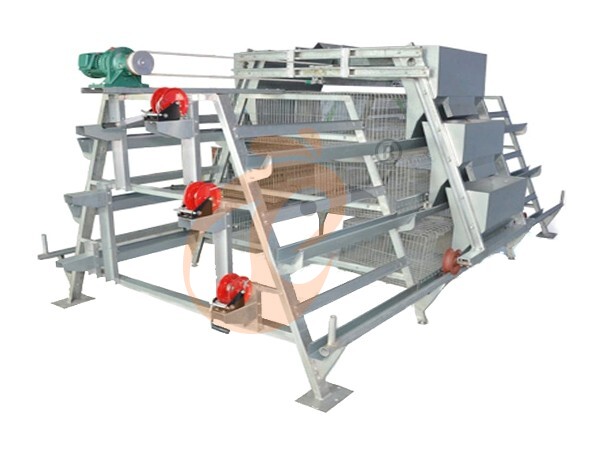
- A type poultry cage system supports structured layer production through integrated housing, feeding, egg collection, and manure handling, with commercial configurations available in 3, 4, and 5 tiers.
Automatic layer cage systems can accommodate 120, 160, or 200 birds per set according to the selected cage configuration, helping farms match equipment capacity with house dimensions.
Modern poultry cage equipment connects mechanical workflows with practical controls, helping farms balance investment, labor hours, maintenance, and operating consistency.
Commercial layer cage manufacturers can configure feeding, drinking, ventilation, and manure systems around house dimensions, flock capacity, and engineering requirements.
- Comparing manual and automatic poultry cage systems through measurable labor, energy, and equipment parameters supports informed farm investment across expanding operations.
Get professional poultry farm construction guidance, equipment selection solutions, and the latest price lists, whatsApp to +8618830120193, click to learn more:
Basic Technical Comparison: Manual Vs Automatic A Type Cage
Data is for reference only.Swipe horizontally to view full table.
Commercial A type poultry cage systems commonly use Q235 steel and hot-dip galvanizing for structural durability.
Automatic layer cage systems can integrate feeding and collection equipment without changing the basic A type cage structure.
A professional poultry cage manufacturer can also adjust cage configuration according to house dimensions and flock capacity.
Labor Cost Analysis
Data is for reference only.Swipe horizontally to view full table.
These figures are engineering planning references rather than universal guarantees; actual labor consumption changes with house length, flock density, management routines, and local wage conditions.
An automatic A type poultry cage system becomes particularly valuable when repetitive tasks occupy several hours during each production shift.
Automatic layer cage equipment converts repeated physical handling into controlled mechanical operations.
Engineering Points: Where Automation Creates Savings
Engineering Points
- Automatic Feeding: A drive motor moves feed through the line, while the control cabinet can regulate operating cycles with timer accuracy of approximately ±1 second.
- Egg Collection: Egg belts transfer eggs toward a centralized handling point, reducing repeated carrying over distances that can exceed 20–30 m in larger houses.
- Manure Removal: Manure belts or scrapers mechanize waste transfer, reducing manual shoveling and lifting operations.
- Drinking System: Nipple lines can operate with regulated water pressure around 0.2–0.4 MPa, depending on drinker and installation design.
- Electrical Control: A centralized panel can coordinate multiple motors while allowing emergency stop circuits and overload protection.
A professionally designed A type poultry cage system should be engineered as one production unit rather than purchased as unrelated components.
Automatic layer cage equipment benefits from correct motor sizing, belt alignment, and control logic to reduce unnecessary starts and stops.
An experienced poultry cage manufacturer can coordinate mechanical and electrical specifications before installation.
Daily Workload Comparison
Data is for reference only.Swipe horizontally to view full table.
The purpose of an A type poultry cage system is to shorten unnecessary human movement while maintaining direct flock supervision.
Automatic layer cage equipment allows workers to concentrate more on bird condition, water supply, equipment status, and egg quality.
A properly arranged poultry cage house can therefore shift labor from transportation tasks toward production management.
Tip Card: Calculate The Real Labor Saving
Tip Card
Step 1: Record actual labor hours used daily for feeding, egg collection, and manure handling.
Step 2: Multiply daily labor hours by the local hourly wage, such as $4–$12/hour, to establish a baseline.
Step 3: Estimate automated workload after installation using a 30-day operating cycle.
Step 4: Compare annual labor expenditure with equipment investment and maintenance.
Step 5: Calculate payback using additional equipment investment divided by annual labor savings.
For an A type poultry cage system, project-specific calculations are more useful than general labor-saving claims.
Automatic layer cage systems should also include electricity, spare parts, scheduled maintenance, and operator supervision in the economic model.
A professional poultry cage manufacturer can prepare equipment costing around the customer's actual flock size and operating conditions.
Initial Equipment Investment
Data is for reference only.Swipe horizontally to view full table.
The figures are budgeting references because steel prices, automation brands, house dimensions, shipping distance, and project specifications affect the final price.
An A type poultry cage system should therefore be quoted according to a complete equipment list rather than cage price alone.
Automatic layer cage equipment requires additional electrical and mechanical components, while a poultry cage manufacturer can optimize the package according to project scope.
European union standard reference only.
Productivity And Management Parameters
Data is for reference only.Swipe horizontally to view full table.
An A type poultry cage system changes worker responsibilities from repetitive material handling toward equipment supervision and flock management.
Automatic layer cage equipment can operate according to programmable schedules, creating more consistent routines across multiple cage rows.
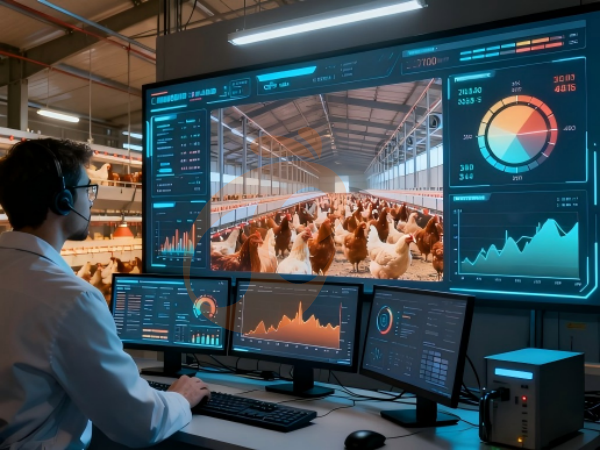
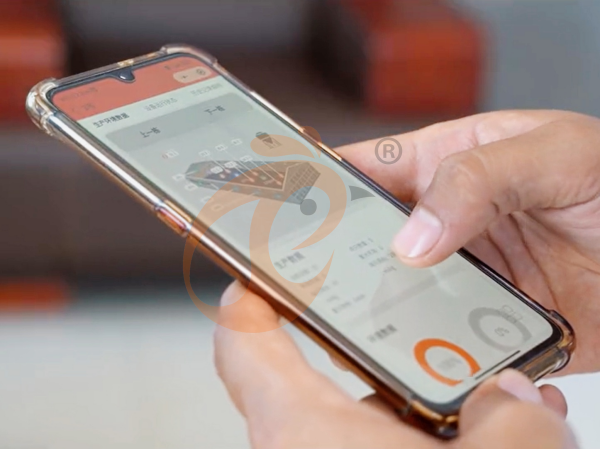
A poultry cage manufacturer can integrate control cabinets with feeding, egg collection, manure removal, and environmental equipment.
Workflow Structure: From Feed To Egg Collection
Workflow Structure
Feed Storage → Hopper → Automatic Feeding Line → A Type Cage Rows → Egg Laying → Egg Belt → Collection Platform
Meanwhile:
Cage Manure → Manure Belt/Scraper → Transfer Point → Outside Storage
An A type poultry cage system can maintain separate material flows for feed, eggs, and manure.
A typical service aisle can be designed around 2.5–3.5 m according to cage dimensions and local construction requirements.
Automatic layer cage equipment works most efficiently when mechanical routes are established during the original house layout.
Equipment Combination Recommendation
Recommended A Type Equipment Package
01 — A Type Layer Cage
Provides the primary housing structure with a configurable 3–5 tier arrangement.
02 — Automatic Feeding System
Includes hopper, drive unit, feed line, trough, and control components.
03 — Automatic Egg Collection System
Includes egg belts, drive unit, transfer conveyor, and collection platform.
04 — Automatic Manure Removal System
Includes manure belts or scraper mechanisms with discharge equipment.
05 — Automatic Drinking System
Includes nipple drinkers, water lines, regulators, filters, and storage.
06 — Environmental Control System
Includes fans, cooling equipment, sensors, and control cabinet.
07 — Electrical Control System
Includes breakers, overload protection, timers, switches, and motor controls.
A complete A type poultry cage system should be designed from the poultry-house drawing rather than selected only from a product catalog.
Automatic layer cage equipment can be configured for 120–200 birds per set according to the selected cage specification and project requirements.
A professional poultry cage manufacturer can coordinate cage layout, feeding, drinking, egg collection, manure removal, ventilation, and electrical control as one project.
Long-Term Operating Cost
Data is for reference only.Swipe horizontally to view full table.
An automatic A type poultry cage system adds electrical and maintenance expenses, so project economics should use actual local electricity and labor rates.
Durable automatic layer cage equipment can reduce replacement frequency when galvanized components, motors, belts, and control parts are properly selected.
A qualified poultry cage manufacturer should provide maintenance recommendations together with the original equipment specification.
European union standard reference only.
Investment Decision Checklist
Technical Selection Card
Manual Configuration
Suitable for projects around 1,000–5,000 layers, shorter production routes, and farms with sufficient on-site labor.
Automatic Feeding And Egg Collection
Suitable when projects approach 5,000–10,000 layers, particularly where workers repeatedly travel between cage rows.
Integrated Automation
Recommended for larger projects requiring coordinated feeding, egg collection, manure removal, and environmental control.
An A type poultry cage system can be engineered for house capacities exceeding 20,000 birds, depending on building dimensions and cage configuration.
Automatic layer cage equipment becomes increasingly relevant when farm expansion creates additional repetitive labor routes.
A poultry cage manufacturer can prepare the equipment configuration around planned flock growth rather than only current capacity.
Final Cost Comparison
Data is for reference only.Swipe horizontally to view full table.
The right A type poultry cage system should be selected according to complete production economics rather than cage purchase price alone.
Automatic layer cage equipment requires additional capital, but mechanical processing can replace repeated manual operations across larger projects.
For poultry equipment buyers, a professional poultry cage manufacturer should calculate flock size, house dimensions, labor rate, electricity price, and automation level before quotation.
Frequently Asked Questions
Q1: Does an automatic A type poultry cage system always reduce labor cost?
Automatic A type poultry cage systems can reduce repetitive labor requirements, but actual savings depend on flock size, wages, house layout, and operating schedules.
A suitable A type poultry cage system can use 120–200 birds per set according to the selected 3–5 tier configuration.
Q2: What flock size is suitable for automatic equipment?
Projects around 5,000–10,000 layers can already justify automation consideration when manual feeding, egg collection, and manure handling create substantial daily labor.
Automatic layer cage equipment becomes more practical as repeated handling routes increase across larger poultry houses.
Q3: Can feeding, egg collection, and manure removal be integrated together?
Yes.
A complete A type poultry cage system can integrate automatic feeding, egg collection, manure removal, drinking, ventilation, and electrical control according to project specifications.
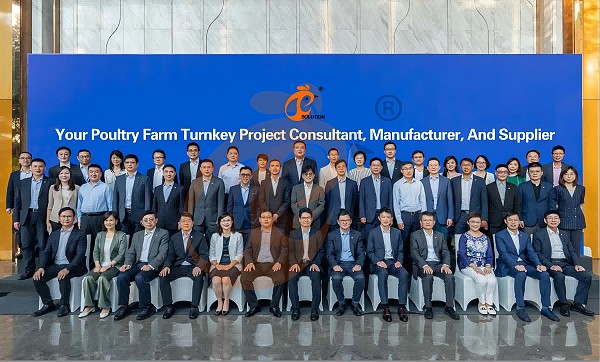
Taiyu (HK) Group - One Of China's Largest A Type Poultry Cage Manufacturer
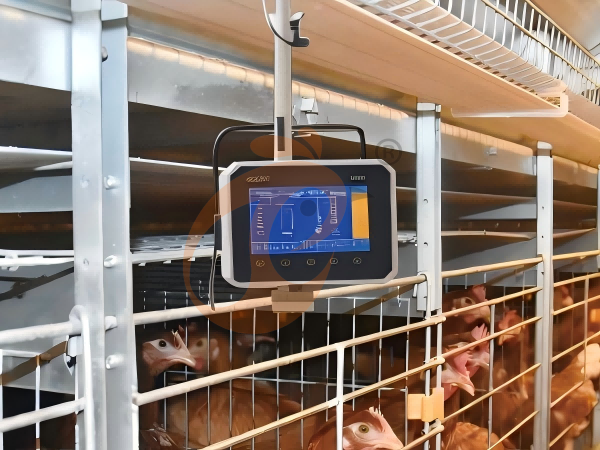
A Type Poultry Cage System: Engineered with 3–5 tiers, 430 mm cell length, 380 mm cell width, 380 mm cell height, and integrated feeding, drinking, egg collection, and manure-management interfaces for commercial layer projects.
Global Factory Direct Sales: Direct production supports equipment specification, component selection, manufacturing coordination, and international shipment for poultry equipment projects across multiple markets.
Turn-Key Poultry Equipment: Project engineering can cover cage layout, automatic feeding, egg collection, manure removal, ventilation, environmental control, electrical systems, installation guidance, and commissioning.
Project-Based Engineering: Equipment packages are configured from house drawings, flock capacity, operating conditions, and expansion plans rather than using a single standard equipment combination.
International Supply Capability: Factory-direct poultry equipment coordination supports complete project delivery from technical quotation and production through export documentation and installation support.
Contact Us To Received Your Customized Poultry Farm Plan
Headquarters And Branchs

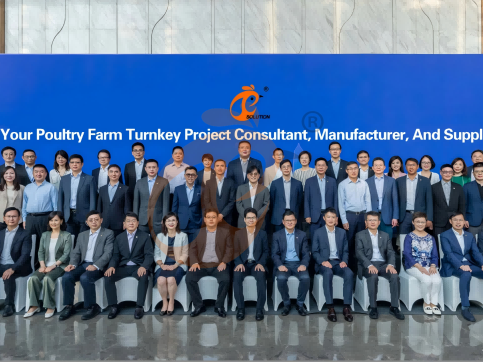
Hong Kong Headquarter Management Team
Hong Kong Headquarter Taiyu Industrial Group CO., LTD
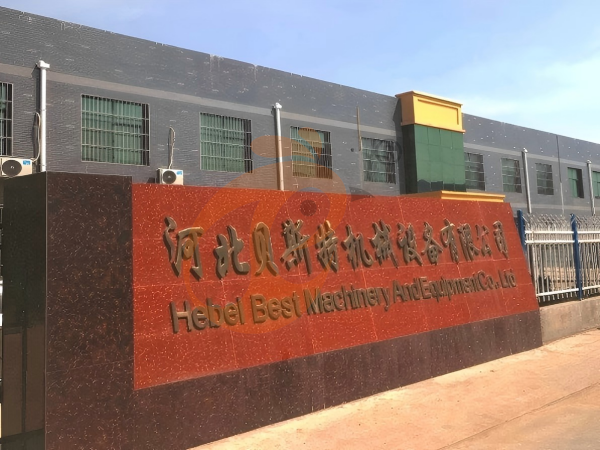
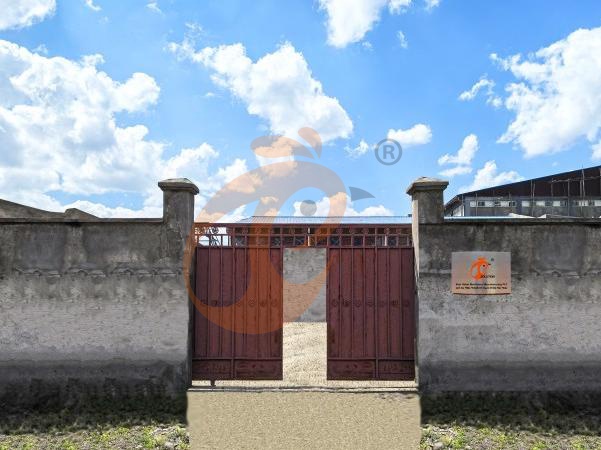
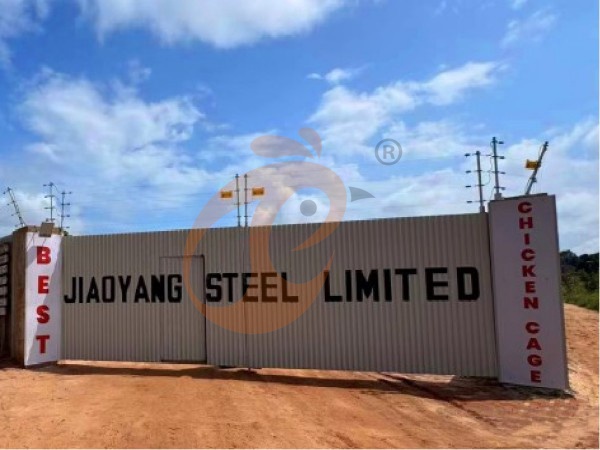
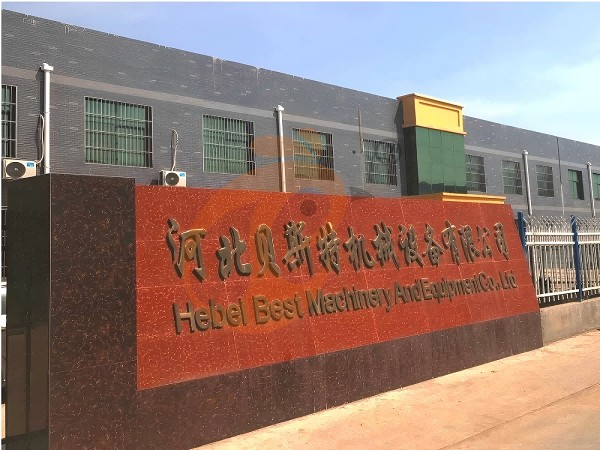
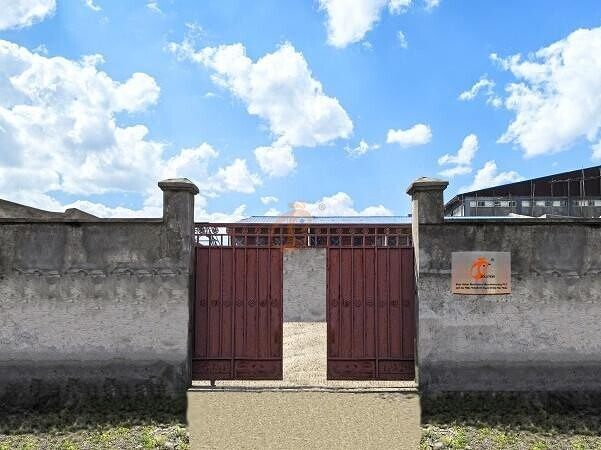
China Hebei Best Machinery And Equipment CO., LTD
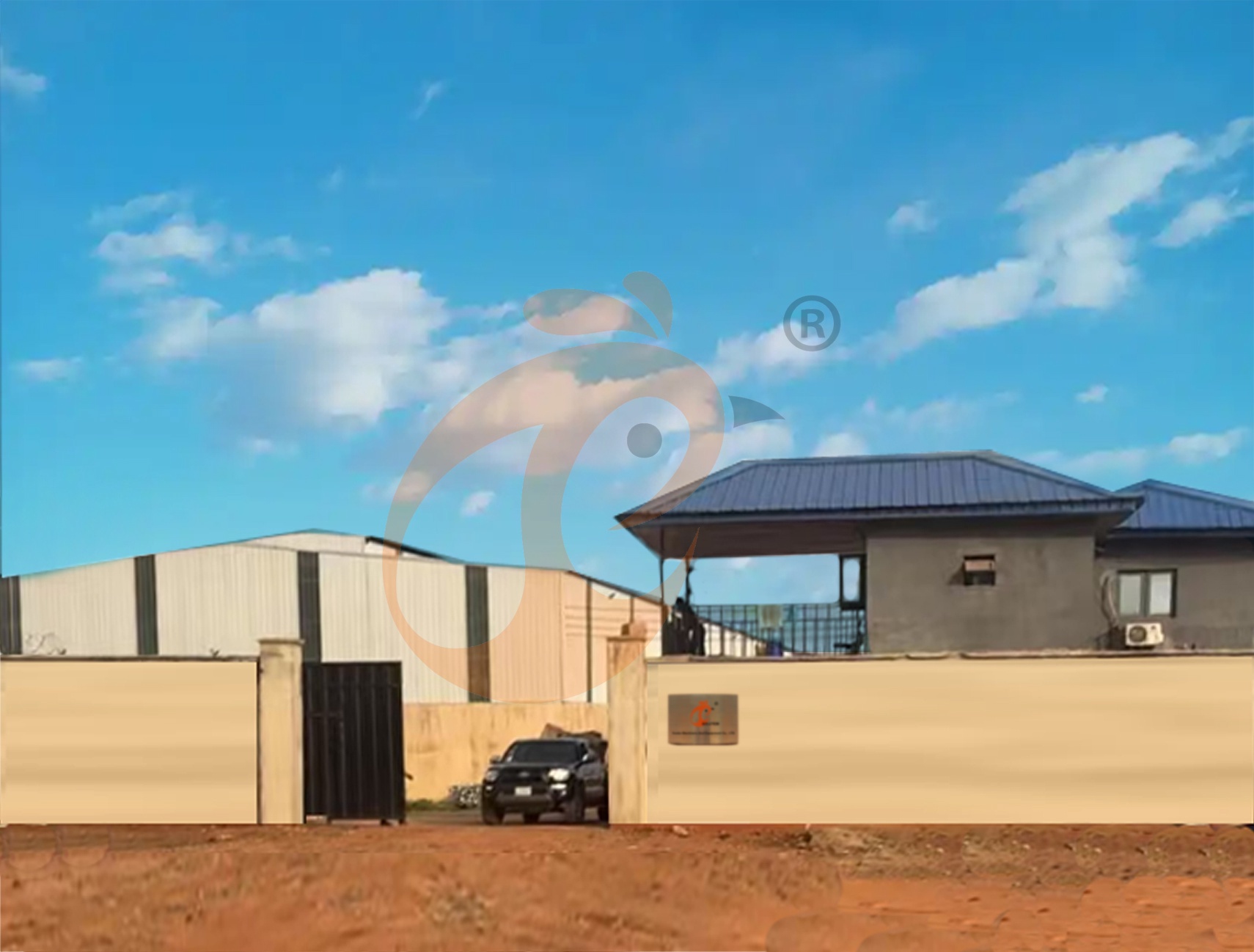
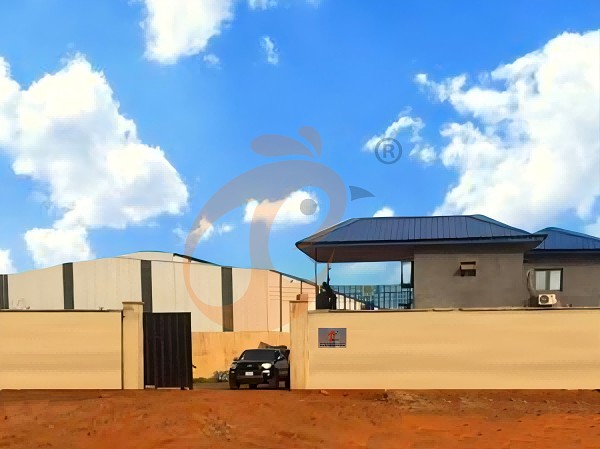
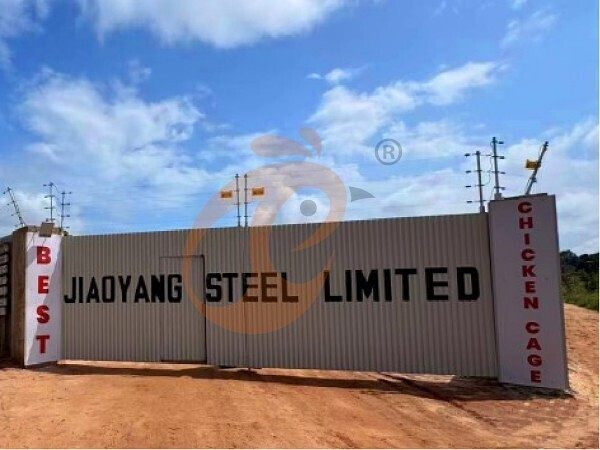
Nigeria Vanke Machinery And Equipment CO., LTD
Tanzania Best Machinery And Equipment CO., LTD
Ethiopia Best Hebei Machinery Manufacturing PLC
Reception /24 WhatsApp NO. : +8618830120193
Perguntas frequentes
- poultry farm
- layer cage
- automatic layer cage
- poultry house
- poultry cage
- cage
- automatic drinking system
- automatic feeding system
- poultry equipment
- poultry cage system
- manure removal system
- automatic manure removal system
- egg collection system
- automatic egg collection system
- automatic poultry cage
- automatic layer cage system
- a type layer cage
- chickencage
- a type poultry cage
- bestchickencage
- cage system
- poultry cage manufacturer
- cage systems
- layer cage system
- Nigeria
- automatic poultry cage system
- modern poultry cage
- hen farm
- automatic egg collection
- poultry cage systems
- cage manufacturer
- poultry cage house
- layer cage manufacturer
- poultry cage equipment
- poultry farm construction
- poultry farm plan
- Ethiopia
- layer cage equipment
- automatic layer cage equipment
Mensagem
Produtos recomendados
 Gaiola Automática Tipo A para 10.000 - 30.000 Galinhas Poedeiras1. Granjas avícolas de 10.000 a 30.000 galinhas poedeiras escolhem este produto
2. Galinhas poedeiras adultas começam a botar ovos às 16 semanas
3. Sua vida útil é superior a 25 anos
4. Nosso atendimento online 24 horas pelo WhatsApp: +8618830120193, +234 8111199996 >Gaiola em bateria automática tipo H para 30 000 frangas jovens1. Mais de 30.000 frangas por galpão, escolha este.
2. Foi projetado para criar frangas com mais de 1 dia de idade até frangos de 12 a 16 semanas que começam a botar ovos.
3. Sua vida útil é superior a 25 anos.
4. Sua estrutura é composta por fusão inteligente artificial Vcloud, armário de controle elétrico, equipamento automático de bebida, alimentação, limpeza de esterco e colheita manual.
5. Nosso atendimento online 24 horas por dia, número do What’sApp: +8618830120193 <30,000 Pullets Automatic A Type Battery Cage1. 10.000 a 30.000 frangas por galpão, escolha-o.
2. Foi projetado para criar frangas com mais de 1 dia de idade até frangos de 12 a 16 semanas que começam a botar ovos.
3. Sua vida útil é superior a 25 anos.
4. Sua estrutura é composta por fusão inteligente artificial Vcloud, armário de controle elétrico, equipamento automático de bebida, alimentação, limpeza de esterco e colheita manual.
5. Nosso atendimento online 24 horas no WhatsApp é +86 18830120193. >30,000 Frangos de Corte Automático H Tipo Gaiola Bateria1. Mais de 30.000 frangos por galpão, escolha este.
2. Ele é projetado para criar frangos de 1 a 45 dias de idade prontos para o mercado.
3. Sua vida útil é superior a 20 anos.
4. Nosso atendimento online 24 horas no WhatsApp é +8618830120193, +234 8111199996. >30,000 Frangos de Corte Gaiola em Bateria Tipo H Colheita Semiautomática1. Mais de 30.000 frangos por galpão, escolha este.
2. Ele foi projetado para a criação de frangos de 1 a 45 dias de idade, prontos para o mercado.
3. Sua vida útil é superior a 20 anos.
4. Nosso atendimento online 24 horas no WhatsApp é +8618830120193, +234 8111199996. >30,000 Frangos Manual Colheita Gaiola Bateria Tipo H1. Mais de 30.000 frangos por galpão, escolha-o.
2. Foi projetado para criar frangos de 1 a 45 dias de idade prontos para o mercado.
3. Sua vida útil é superior a 20 anos.
4. Sua estrutura possui fusão inteligente artificial Vcloud, armário de controle elétrico, equipamento automático de bebida, alimentação e limpeza de esterco, colheita manual.
5. Nossa recepção online 24 horas no What’sApp NO. é +8618830120193, +234 8111199996. <30,000 Broilers Manual Harvest A Type Battery Cage1. Menos de 30.000 frangos por galpão, escolha este.
2. Projetado para criar frangos de 1 a 45 dias de idade, prontos para o mercado.
3. Vida útil superior a 20 anos.
4. Sua estrutura inclui fusão inteligente artificial Vcloud, gabinete de controle elétrico, equipamentos automáticos de bebida, alimentação e limpeza de esterco, colheita manual.
5. Nosso atendimento online 24 horas pelo WhatsApp: +8618830120193, +234 8111199996. A Sede em HK Oferece Soluções para Avicultura em Padrão UE, Fabrica Equipamentos para Avicultura1. Comunicação contínua com a UE e os EUA
2. Filiais e fábricas na China, Nigéria, Etiópia e Tanzânia
3. A qualidade dos produtos é personalizada para aviários locais
4. Gaiolas para aves e equipamentos para aviários em estoque para venda
5. Atendimento online 24 horas por dia no Whatsapp NO.: +8618830120193, entre em contato conosco para obter informações completas Filial Chinesa Oferece Plano de Negócios para Avicultura, Fabrica Equipamentos para Avicultura1. Endereço: Flat/RM 2416, 24/F, Edifício Runxing, Rua Youyi Nan, Cidade de Shijiazhuang, Província de Hebei, China
2. Fábrica de equipamentos para aviários e gaiolas para aves e estoque à venda
3. Personalizado para aviários locais
4. Qualidade e design baseados no padrão europeu
5. Atendimento online 24 horas pelo Whatsapp NO.: +8618830120193 Filial na Nigéria Oferece Plano de Negócios para Fazenda Avícola, Fabrica Equipamentos para Fazenda Avícola1. Endereço: Após o escritório da Sinoma, 200 metros perto do Posto de Combustível Danco, Rodovia Lagos/Ibadan, Estado de Lagos, Nigéria
2. Fábrica de equipamentos para aviários e gaiolas para aves e estoque à venda
3. Personalizado para aviários nigerianos
4. Qualidade e design baseados no padrão europeu
5. Atendimento online 24 horas Whatsapp NO.: +8618830120193 Plano de negócios para uma granja avícola na filial da Etiópia, fabricação de equipamentos para granjas avícolas1. Endereço: Gelan Gura, Subcidade de Akaki-Kaliti, Adis Abeba, Etiópia
2. Gaiolas para aves e equipamentos para granjas avícolas em estoque para venda
3. Personalizado para granjas avícolas etíopes
4. Qualidade e design baseados no padrão Euro
5. Atendimento online 24 horas. WhatsApp: +8618830120193. Entre em contato conosco para obter a lista de preços Filial da Tanzânia Oferece Plano de Negócios para Fazenda de Aves, Fabricação de Equipamentos para Fazenda de Aves1. Endereço: No.8, Estrada Sova, Msufini, Mlandizi, Kibaha, Pwani, Tanzânia
2. Fábrica de equipamentos para aviários e gaiolas para aves e estoque à venda
3. Personalizado para aviários na Tanzânia
4. Qualidade e design baseados no padrão europeu
5. Atendimento online 24 horas por dia Whatsapp NO. : +8618830120193