Blog
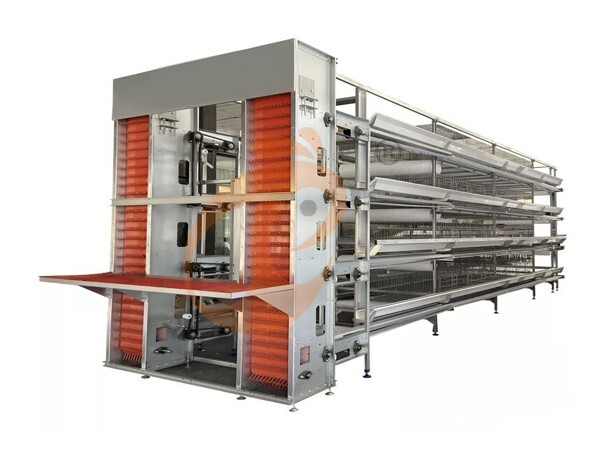
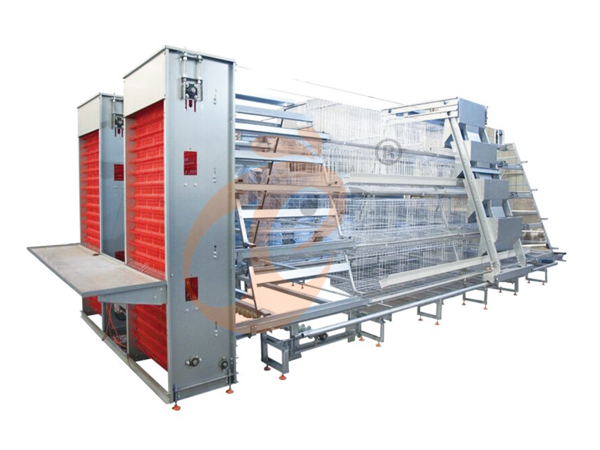
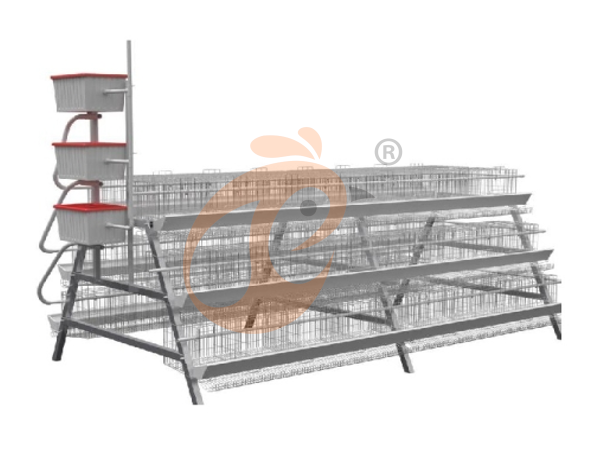
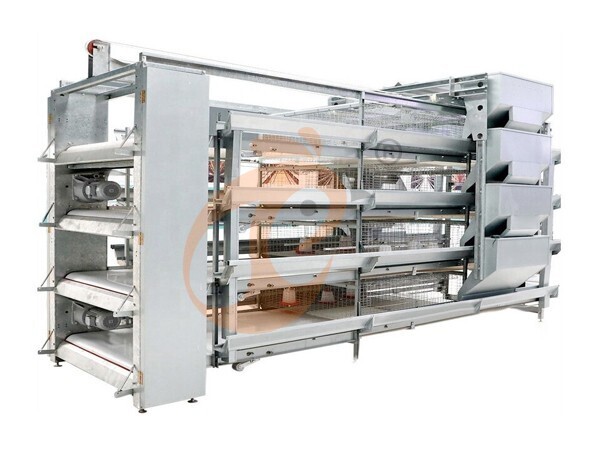
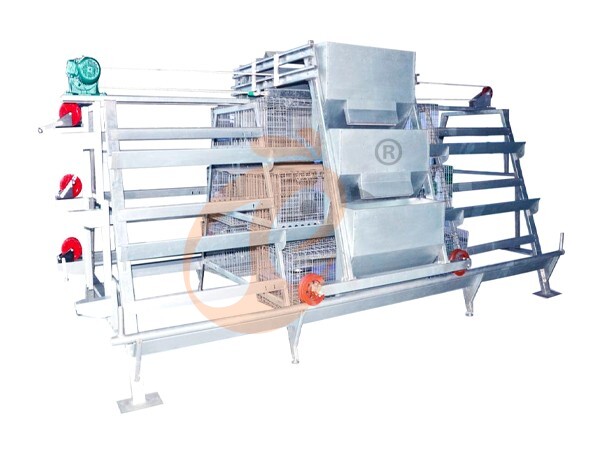
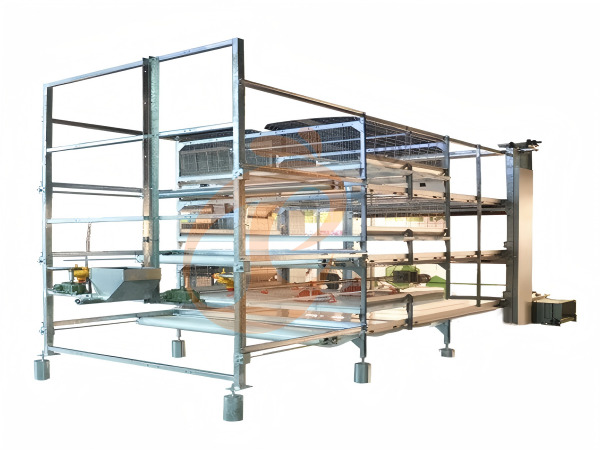
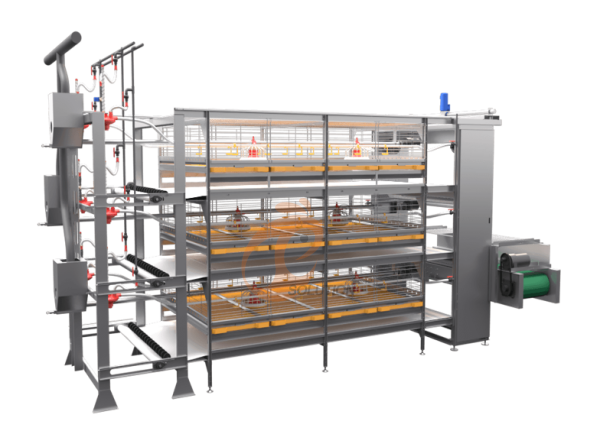
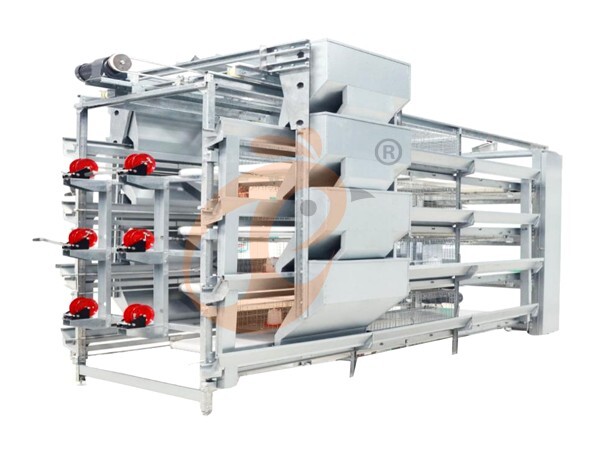
As gaiolas para frangos tipo H de alta resistência na Etiópia oferecem sistemas de alojamento estruturados que apoiam a gestão eficiente da produção de ovos em granjas avícolas comerciais.
O aumento dos preços da ração e a escassez de mão de obra em regiões como Oromia e Amhara exigem atualizações tecnológicas práticas.
Os modernos sistemas de alojamento avícola ajudam as granjas etíopes a estabilizar a produção de ovos e melhorar a eficiência operacional.
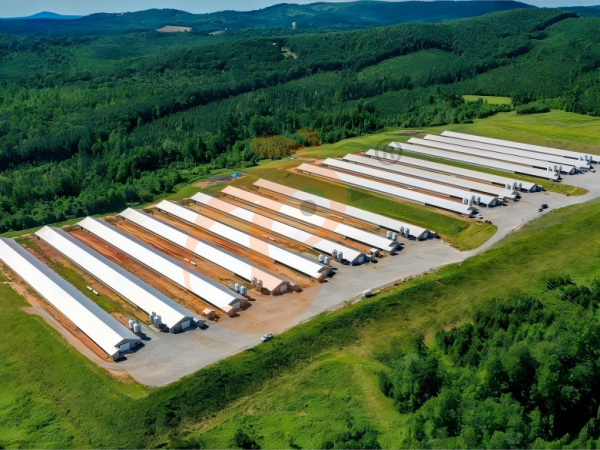
Os sistemas de gaiolas verticais permitem maior capacidade de aves por instalação, mantendo processos organizados de alimentação e coleta de ovos.
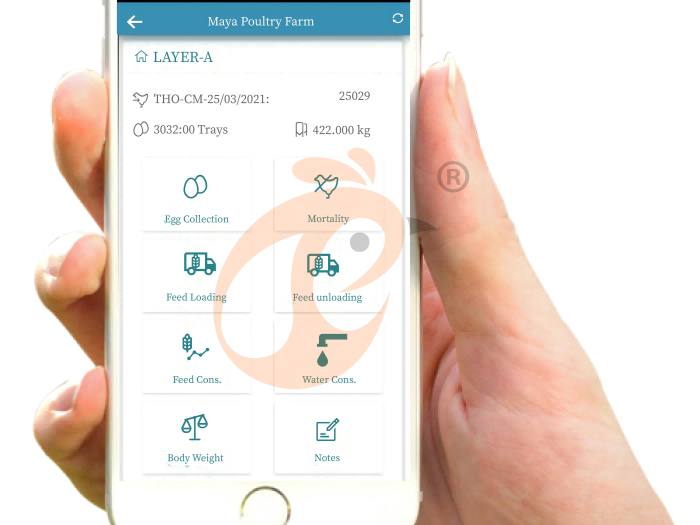
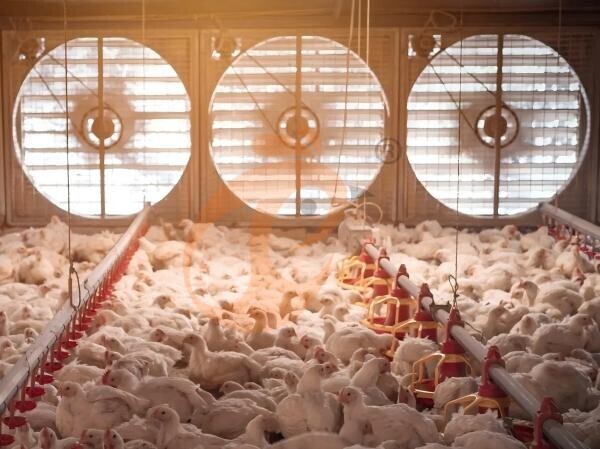
Os sistemas automatizados de alimentação e remoção de esterco ajudam os produtores a reduzir a pressão diária de trabalho.
Obtenha orientação profissional para a construção de granjas avícolas, soluções para seleção de equipamentos e as listas de preços mais recentes, WhatsApp para +8618830120193, clique para saber mais:

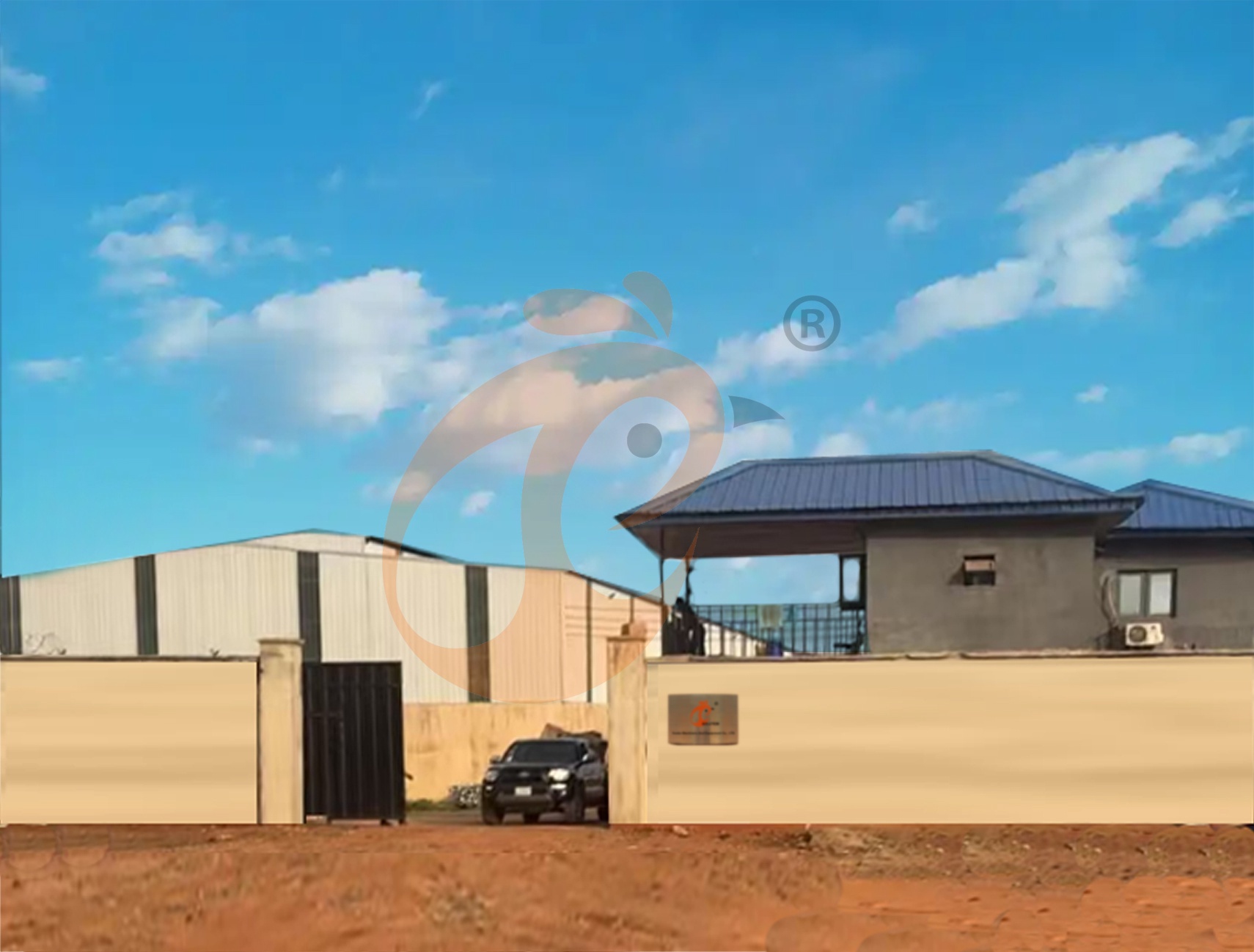
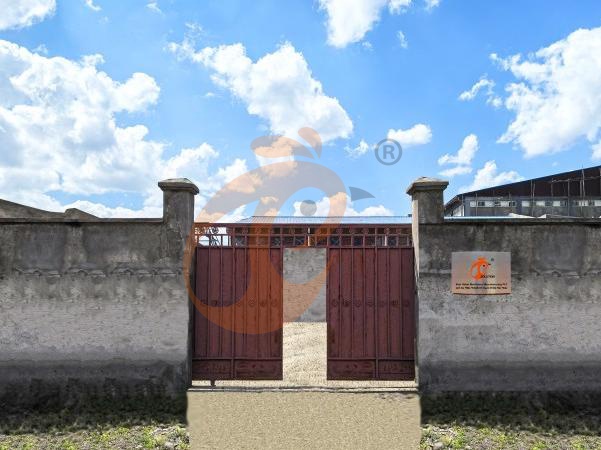
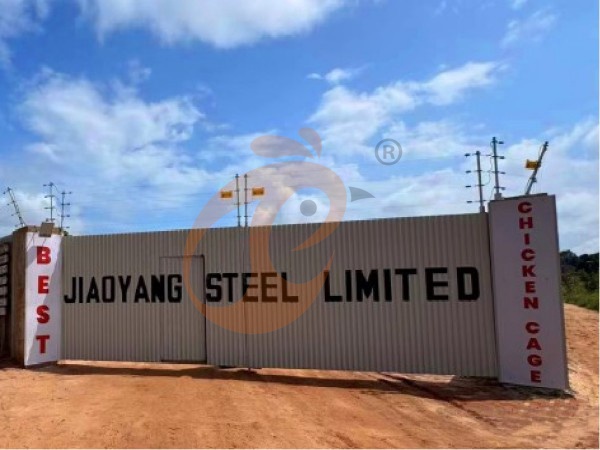
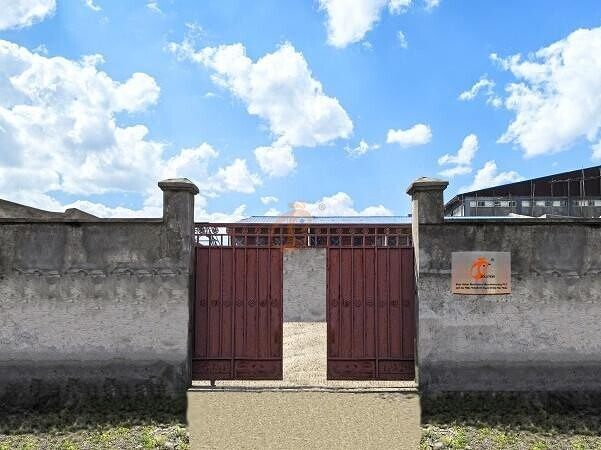
Escritório e fábrica da filial da Etiópia de equipamentos para granjas avícolas
Estrutura atual de custos das granjas de poedeiras na Etiópia
As granjas de ovos em toda a Etiópia, especialmente perto de Addis Ababa e Debre Zeit, operam com margens de produção apertadas.
A aquisição de ração de fornecedores de milho e soja representa a maior despesa operacional, enquanto a mão de obra e a manutenção da granja vêm em seguida como componentes secundários de custo.
Os sistemas avícolas modernos visam controlar esses custos por meio de maior precisão de gestão e melhoria dos equipamentos.
Os dados são apenas para referência. Deslize horizontalmente para ver a tabela completa.
Apenas para referência do padrão da União Europeia.
Ração e mão de obra juntas representam a maior parte das despesas operacionais nas granjas de ovos da Etiópia.
É por isso que muitas granjas comerciais estão migrando para soluções de automação de granjas de poedeiras na Etiópia para manter a sustentabilidade financeira.
Padrões de consumo de ração na produção de poedeiras na Etiópia
O fornecimento de ração na Etiópia depende fortemente de milho, farelo de trigo e farelo de soja produzidos internamente.
As aves poedeiras requerem nutrição balanceada durante todo o seu ciclo de produção, que geralmente se estende entre 72 e 80 semanas.
O planejamento da ração torna-se essencial para um desempenho estável na produção de ovos.
Os dados são apenas para referência. Deslize horizontalmente para ver a tabela completa.
Apenas para referência do padrão da União Europeia.
A precisão na distribuição da ração torna-se um fator importante que influencia o controle geral de custos.
É aqui que os sistemas automáticos de gaiolas para galinhas poedeiras oferecem benefícios mensuráveis.
Demandas de mão de obra nas granjas tradicionais de ovos da Etiópia
Muitas granjas avícolas em áreas regionais como Oromia ainda dependem de sistemas de gestão manual.
Os trabalhadores realizam diariamente alimentação, coleta de ovos, remoção de esterco e gestão do fornecimento de água.
Os dados são apenas para referência. Deslize horizontalmente para ver a tabela completa.
Apenas para referência do padrão da União Europeia.
As operações manuais aumentam a demanda de mão de obra e reduzem a consistência operacional.
A adoção de gaiolas para frangos tipo H na Etiópia pode simplificar significativamente as tarefas rotineiras da granja.
Projeto estrutural de gaiolas para frangos tipo H de alta resistência
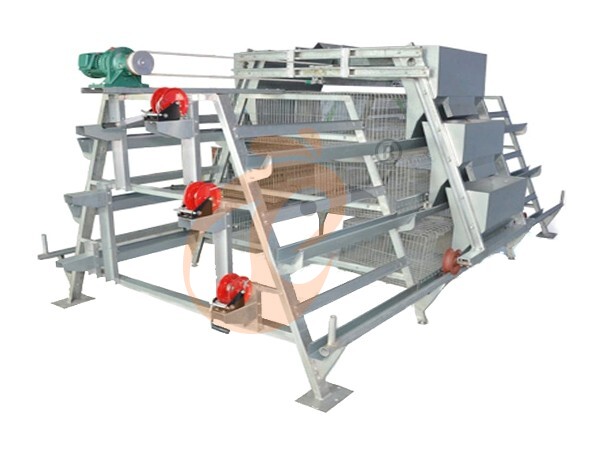
O sistema de gaiolas para frangos com estrutura H foi projetado para alojamento avícola vertical, permitindo utilização eficiente do espaço enquanto mantém organizados
a alimentação e a coleta de ovos.
Os dados são apenas para referência. Deslize horizontalmente para ver a tabela completa.
Essas estruturas apoiam a moderna automação da criação de poedeiras na Etiópia, permitindo que as granjas aumentem o número de aves sem expandir a área de terra.
Redução do desperdício de ração por meio de sistemas de alimentação controlada
Os sistemas tradicionais de alojamento no piso frequentemente apresentam dispersão de ração e distribuição desigual da ração.
As gaiolas para frangos com estrutura H incorporam canais de alimentação estruturados que melhoram a eficiência da distribuição da ração.
Os dados são apenas para referência. Deslize horizontalmente para ver a tabela completa.
A menor perda de ração contribui diretamente para a melhoria da economia de produção das granjas de ovos etíopes.
Eficiência de mão de obra alcançada por meio da automação avícola
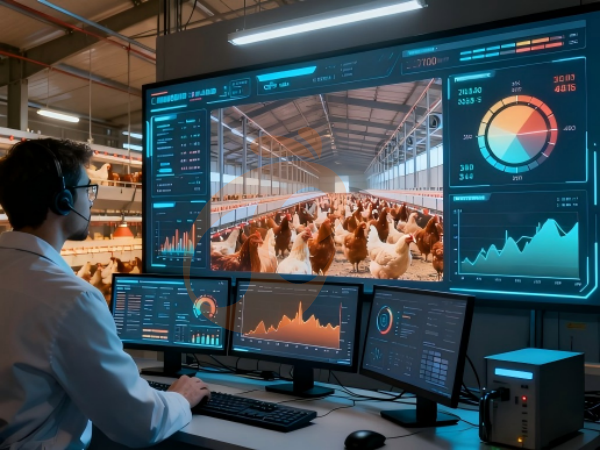
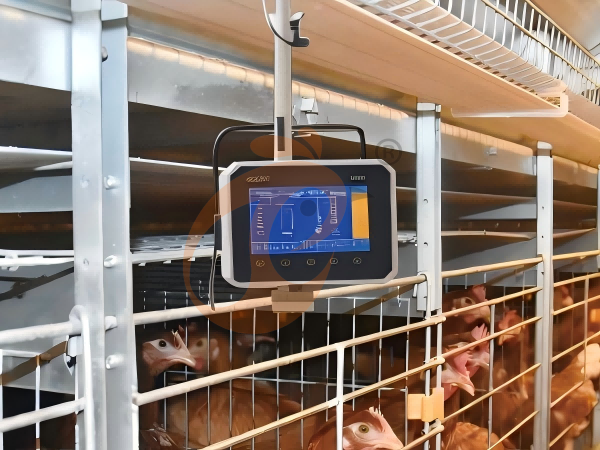
As tecnologias de automação integradas aos modernos sistemas de alojamento avícola reduzem significativamente a carga de trabalho humano nas granjas.
Os dados são apenas para referência. Deslize horizontalmente para ver a tabela completa.
Em comparação com sistemas manuais com estrutura H, os sistemas automatizados economizam aproximadamente 70–90% da necessidade de mão de obra em granjas avícolas de grande escala.
Desempenho da produção de ovos em sistemas modernos de gaiolas
Os sistemas de alojamento influenciam fortemente a produtividade de postura e a saúde das aves.
Cronogramas de alimentação estáveis e melhor gestão ambiental contribuem para um melhor desempenho de postura.
Os dados são apenas para referência. Deslize horizontalmente para ver a tabela completa.
Esses resultados demonstram por que os sistemas automáticos de gaiolas para galinhas poedeiras estão se tornando cada vez mais comuns entre as granjas avícolas comerciais.
Requisitos de investimento para sistemas modernos de gaiolas
O investimento inicial em equipamentos é uma consideração importante para os avicultores etíopes que planejam a expansão da granja.
Os dados são apenas para referência. Deslize horizontalmente para ver a tabela completa.
Apenas para referência do padrão da União Europeia.
Embora o investimento em equipamentos seja necessário inicialmente, a redução da perda de ração e os menores custos de mão de obra ajudam as granjas a alcançar retornos financeiros estáveis ao longo do tempo.
Estratégias práticas de implementação para granjas de ovos etíopes
A adoção bem-sucedida de gaiolas para frangos tipo H na Etiópia exige planejamento cuidadoso da granja e melhorias de gestão.
Os proprietários das granjas podem seguir várias etapas práticas.
Instale linhas de alimentação automatizadas para garantir distribuição equilibrada da ração entre as fileiras de gaiolas.
Melhore os sistemas de ventilação para se adequar às diferenças climáticas entre as terras altas e baixas da Etiópia.
Treine técnicos da granja para operar equipamentos automatizados de coleta de ovos e remoção de esterco.
Selecione raças de poedeiras produtivas adequadas para sistemas de alojamento em gaiolas.
Planeje os galpões avícolas com estruturas de gaiolas verticais para maximizar o espaço disponível da granja.
A capacidade recomendada para granjas comerciais normalmente varia entre 30000 – 100000 poedeiras para uma gestão eficiente da produção com sistemas de gaiolas com estrutura H.
Best Hebei Machinery Manufacturing Plc da Etiópia - Um dos maiores fornecedores de gaiolas para frangos da Etiópia
Fornecimento direto global de fábrica de equipamentos para granjas avícolas que apoia modernas granjas comerciais de produção de ovos.
Fabricação profissional de sistemas de gaiolas avícolas projetados para longa vida útil e desempenho operacional estável.
Portfólio completo de equipamentos para granjas avícolas, incluindo sistemas de alimentação, sistemas de bebida, remoção de esterco e soluções de ventilação.
Projetos de engenharia turnkey para granjas avícolas, incluindo projeto de layout, orientação de instalação e suporte de treinamento técnico.
Experiência confiável em exportação, entregando soluções integradas de avicultura a produtores avícolas em mercados internacionais.
Entre em contato conosco para receber seu plano personalizado de granja avícola
Sede e filiais
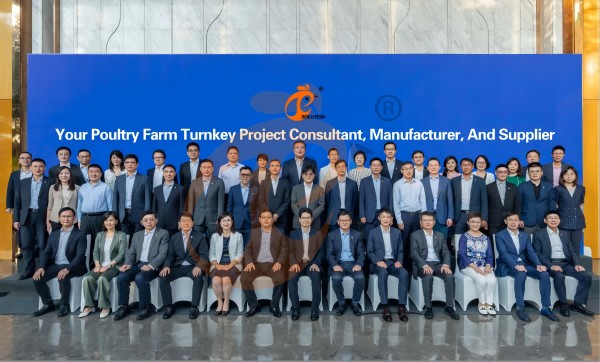
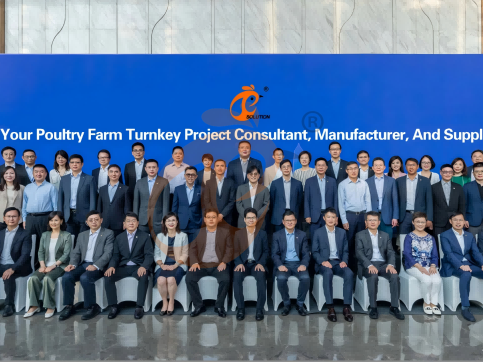
Equipe de gestão da sede em Hong Kong
Sede em Hong Kong Taiyu Industrial Group CO., LTD
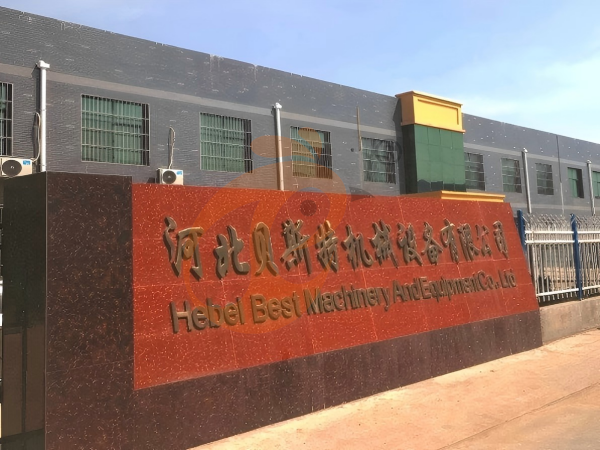
China Hebei Best Machinery And Equipment CO., LTD
Nigéria Vanke Machinery And Equipment CO., LTD
Tanzânia Best Machinery And Equipment CO., LTD
Etiópia Best Hebei Machinery Manufacturing PLC
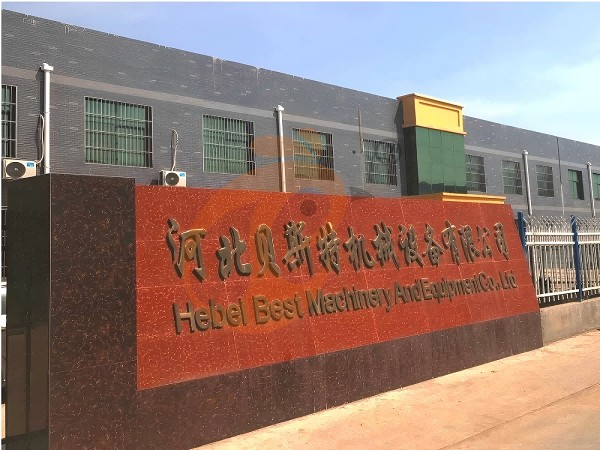
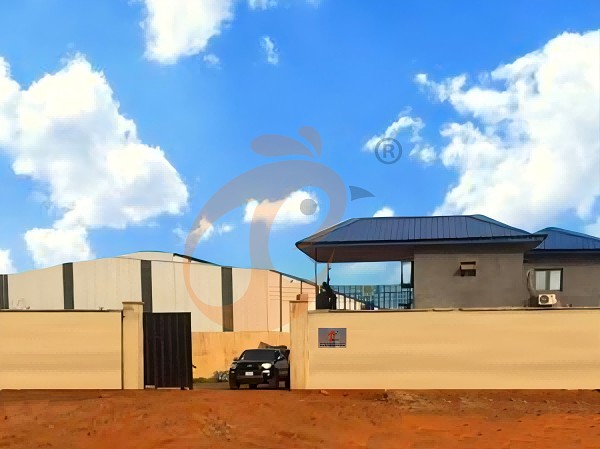
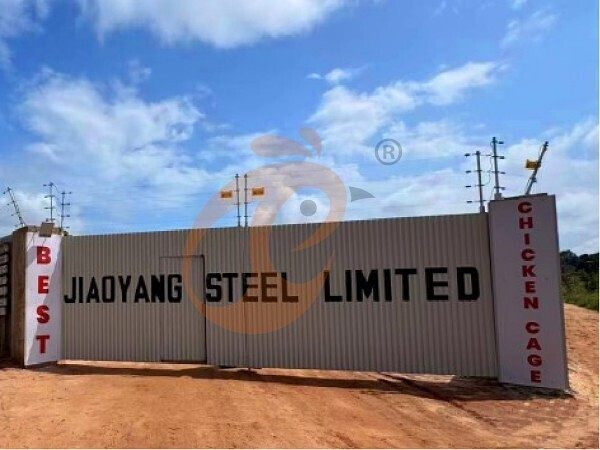
Recepção /24 WhatsApp Nº : +8618830120193
Perguntas frequentes
Mensagem
Produtos recomendados
 Gaiola Automática Tipo A para 10.000 - 30.000 Galinhas Poedeiras1. Granjas avícolas de 10.000 a 30.000 galinhas poedeiras escolhem este produto
2. Galinhas poedeiras adultas começam a botar ovos às 16 semanas
3. Sua vida útil é superior a 25 anos
4. Nosso atendimento online 24 horas pelo WhatsApp: +8618830120193, +234 8111199996 >Gaiola em bateria automática tipo H para 30 000 frangas jovens1. Mais de 30.000 frangas por galpão, escolha este.
2. Foi projetado para criar frangas com mais de 1 dia de idade até frangos de 12 a 16 semanas que começam a botar ovos.
3. Sua vida útil é superior a 25 anos.
4. Sua estrutura é composta por fusão inteligente artificial Vcloud, armário de controle elétrico, equipamento automático de bebida, alimentação, limpeza de esterco e colheita manual.
5. Nosso atendimento online 24 horas por dia, número do What’sApp: +8618830120193 <30,000 Pullets Automatic A Type Battery Cage1. 10.000 a 30.000 frangas por galpão, escolha-o.
2. Foi projetado para criar frangas com mais de 1 dia de idade até frangos de 12 a 16 semanas que começam a botar ovos.
3. Sua vida útil é superior a 25 anos.
4. Sua estrutura é composta por fusão inteligente artificial Vcloud, armário de controle elétrico, equipamento automático de bebida, alimentação, limpeza de esterco e colheita manual.
5. Nosso atendimento online 24 horas no WhatsApp é +86 18830120193. >30,000 Frangos de Corte Automático H Tipo Gaiola Bateria1. Mais de 30.000 frangos por galpão, escolha este.
2. Ele é projetado para criar frangos de 1 a 45 dias de idade prontos para o mercado.
3. Sua vida útil é superior a 20 anos.
4. Nosso atendimento online 24 horas no WhatsApp é +8618830120193, +234 8111199996. >30,000 Frangos de Corte Gaiola em Bateria Tipo H Colheita Semiautomática1. Mais de 30.000 frangos por galpão, escolha este.
2. Ele foi projetado para a criação de frangos de 1 a 45 dias de idade, prontos para o mercado.
3. Sua vida útil é superior a 20 anos.
4. Nosso atendimento online 24 horas no WhatsApp é +8618830120193, +234 8111199996. >30,000 Frangos Manual Colheita Gaiola Bateria Tipo H1. Mais de 30.000 frangos por galpão, escolha-o.
2. Foi projetado para criar frangos de 1 a 45 dias de idade prontos para o mercado.
3. Sua vida útil é superior a 20 anos.
4. Sua estrutura possui fusão inteligente artificial Vcloud, armário de controle elétrico, equipamento automático de bebida, alimentação e limpeza de esterco, colheita manual.
5. Nossa recepção online 24 horas no What’sApp NO. é +8618830120193, +234 8111199996. <30,000 Broilers Manual Harvest A Type Battery Cage1. Menos de 30.000 frangos por galpão, escolha este.
2. Projetado para criar frangos de 1 a 45 dias de idade, prontos para o mercado.
3. Vida útil superior a 20 anos.
4. Sua estrutura inclui fusão inteligente artificial Vcloud, gabinete de controle elétrico, equipamentos automáticos de bebida, alimentação e limpeza de esterco, colheita manual.
5. Nosso atendimento online 24 horas pelo WhatsApp: +8618830120193, +234 8111199996. A Sede em HK Oferece Soluções para Avicultura em Padrão UE, Fabrica Equipamentos para Avicultura1. Comunicação contínua com a UE e os EUA
2. Filiais e fábricas na China, Nigéria, Etiópia e Tanzânia
3. A qualidade dos produtos é personalizada para aviários locais
4. Gaiolas para aves e equipamentos para aviários em estoque para venda
5. Atendimento online 24 horas por dia no Whatsapp NO.: +8618830120193, entre em contato conosco para obter informações completas Filial Chinesa Oferece Plano de Negócios para Avicultura, Fabrica Equipamentos para Avicultura1. Endereço: Flat/RM 2416, 24/F, Edifício Runxing, Rua Youyi Nan, Cidade de Shijiazhuang, Província de Hebei, China
2. Fábrica de equipamentos para aviários e gaiolas para aves e estoque à venda
3. Personalizado para aviários locais
4. Qualidade e design baseados no padrão europeu
5. Atendimento online 24 horas pelo Whatsapp NO.: +8618830120193 Filial na Nigéria Oferece Plano de Negócios para Fazenda Avícola, Fabrica Equipamentos para Fazenda Avícola1. Endereço: Após o escritório da Sinoma, 200 metros perto do Posto de Combustível Danco, Rodovia Lagos/Ibadan, Estado de Lagos, Nigéria
2. Fábrica de equipamentos para aviários e gaiolas para aves e estoque à venda
3. Personalizado para aviários nigerianos
4. Qualidade e design baseados no padrão europeu
5. Atendimento online 24 horas Whatsapp NO.: +8618830120193 Plano de negócios para uma granja avícola na filial da Etiópia, fabricação de equipamentos para granjas avícolas1. Endereço: Gelan Gura, Subcidade de Akaki-Kaliti, Adis Abeba, Etiópia
2. Gaiolas para aves e equipamentos para granjas avícolas em estoque para venda
3. Personalizado para granjas avícolas etíopes
4. Qualidade e design baseados no padrão Euro
5. Atendimento online 24 horas. WhatsApp: +8618830120193. Entre em contato conosco para obter a lista de preços Filial da Tanzânia Oferece Plano de Negócios para Fazenda de Aves, Fabricação de Equipamentos para Fazenda de Aves1. Endereço: No.8, Estrada Sova, Msufini, Mlandizi, Kibaha, Pwani, Tanzânia
2. Fábrica de equipamentos para aviários e gaiolas para aves e estoque à venda
3. Personalizado para aviários na Tanzânia
4. Qualidade e design baseados no padrão europeu
5. Atendimento online 24 horas por dia Whatsapp NO. : +8618830120193