Blog
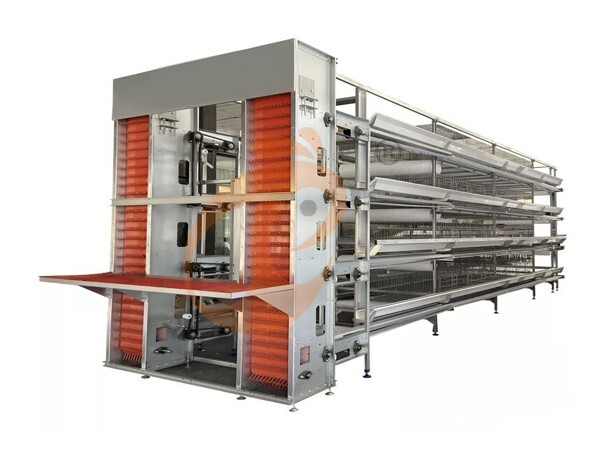
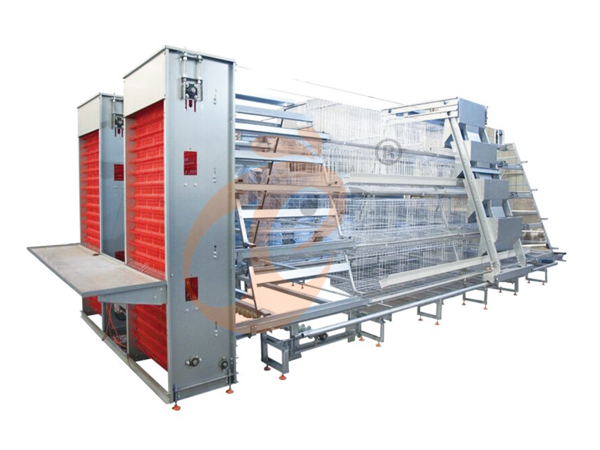
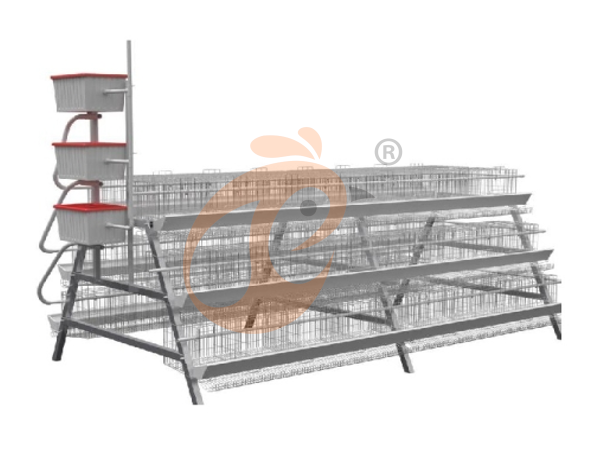
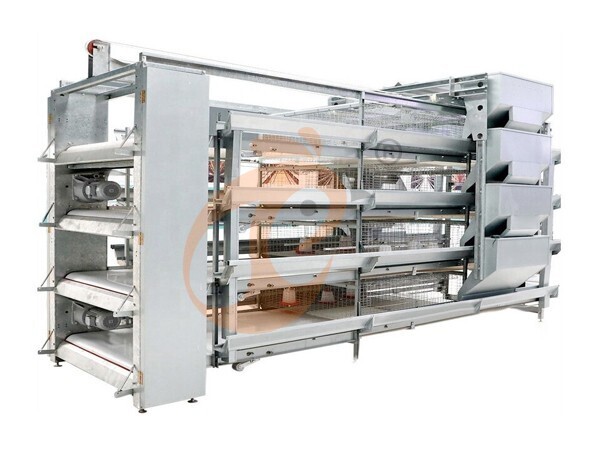
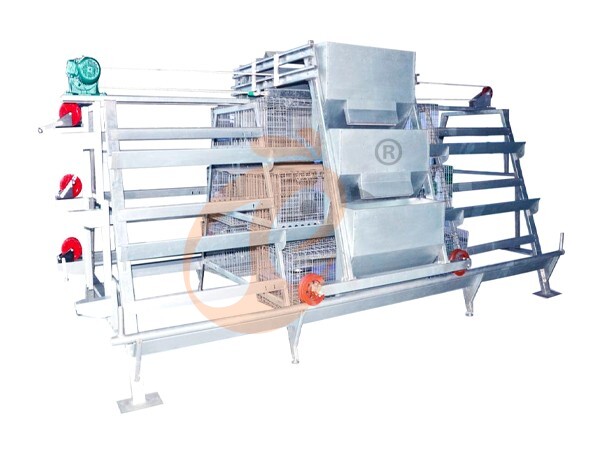
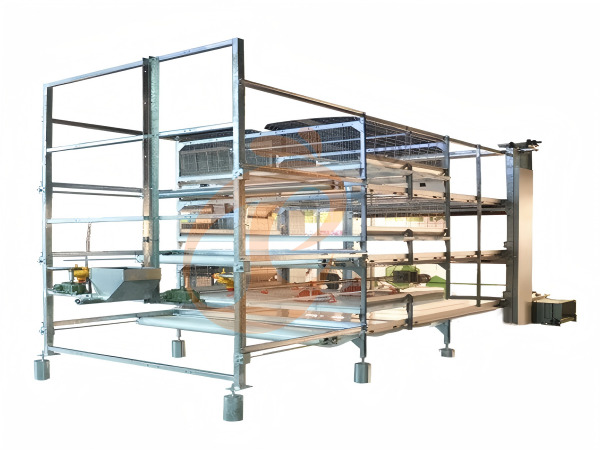
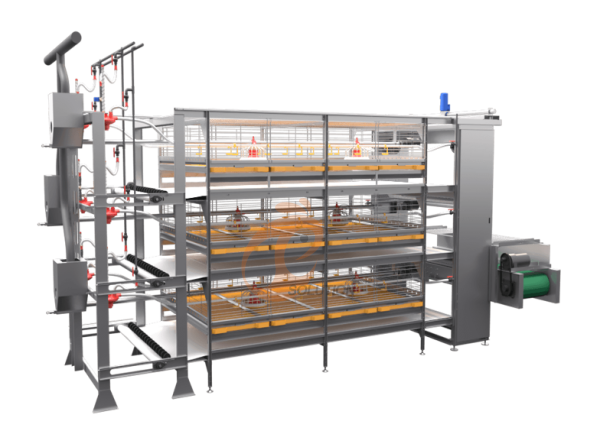
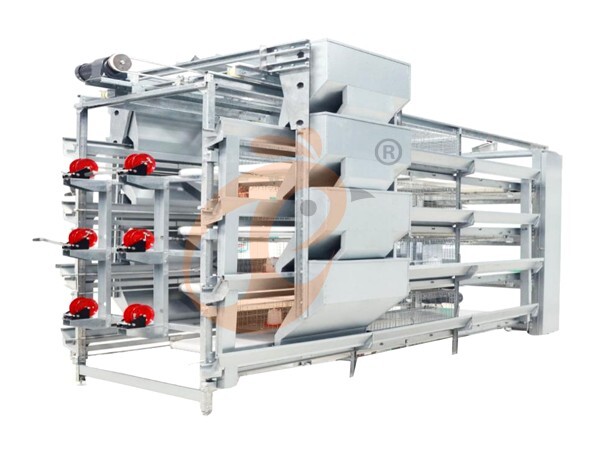
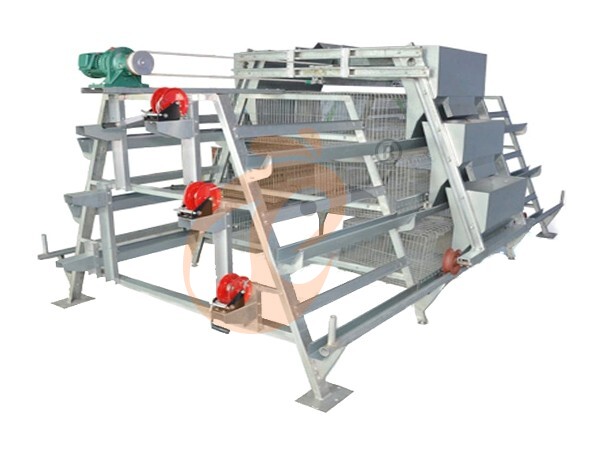
Guia de solução de problemas de gaiolas avícolas em bateria tipo A para sistema de gaiolas avícolas em bateria concentra-se em tensão estrutural, desequilíbrio do fluxo de ar e controle de esterco em ambientes de criação intensiva.
Aviários modernos enfrentam inconsistência de ventilação, acúmulo de gases e desgaste mecânico que afetam a estabilidade da produção em sistemas de gaiolas de múltiplos níveis.
As soluções de engenharia incluem controle de fluxo de ar por zonas, automação de esteiras de esterco e design otimizado de manuseio de ovos para reduzir as taxas de quebra.
As estratégias de controle de doenças enfatizam o zoneamento de biossegurança, o cronograma de vacinação e a sincronização ambiental controlada para a estabilidade do lote.
Os caminhos de atualização de equipamentos abrangem estrutura de aço reforçada, tratamento anticorrosão e sistemas automatizados de coleta de ovos para eficiência operacional de longo prazo.
Obtenha orientação profissional para construção de granjas avícolas, soluções de seleção de equipamentos e as listas de preços mais recentes, whatsApp para +8618830120193, clique para saber mais:
Visão Geral Do Sistema De Gaiolas Avícolas Em Bateria Tipo A
As gaiolas avícolas tipo A são projetadas para densidade de criação vertical e sistemas mecanizados de produção de ovos em ambientes de alojamento controlado.
Os dados são apenas para referência.Deslize horizontalmente para ver a tabela completa.
Problema De Desequilíbrio Do Fluxo De Ar Dentro Do Aviário De Gaiolas
A distribuição de ar varia significativamente entre os níveis verticais das gaiolas devido à resistência estrutural ao fluxo de ar e às restrições de posicionamento dos ventiladores.
Os dados são apenas para referência.Deslize horizontalmente para ver a tabela completa.
O desequilíbrio do fluxo de ar aumenta o estresse térmico e reduz a eficiência da troca de oxigênio nas zonas inferiores das gaiolas.
Solução De Engenharia De Ventilação Por Zonas
Uma arquitetura de fluxo de ar controlada melhora o equilíbrio de pressão e estabiliza as condições climáticas internas.
Os dados são apenas para referência.Deslize horizontalmente para ver a tabela completa.
Este sistema reduz o desvio do microclima entre os níveis das gaiolas e estabiliza as condições ambientais.
Problema De Acúmulo De Amônia Proveniente Do Esterco
A concentração de amônia aumenta devido à decomposição do esterco e à frequência insuficiente de remoção em estruturas de gaiolas densas.
Os dados são apenas para referência.Deslize horizontalmente para ver a tabela completa.
Maior acúmulo ocorre nas zonas estruturais inferiores devido às vias gravitacionais de acúmulo de esterco.
Solução De Sistema Contínuo De Remoção De Esterco
Sistemas automatizados de esteiras proporcionam descarga consistente de resíduos e reduzem a formação de gases dentro dos aviários.
Os dados são apenas para referência.Deslize horizontalmente para ver a tabela completa.
A remoção contínua reduz o tempo de decomposição e estabiliza os parâmetros de qualidade do ar.
Problema De Rachadura Da Casca Do Ovo Durante A Coleta
A vibração mecânica e o desalinhamento da inclinação contribuem para o aumento de danos aos ovos durante os ciclos de transporte.
Os dados são apenas para referência.Deslize horizontalmente para ver a tabela completa.
O estresse no manuseio dos ovos aumenta significativamente durante a transferência da gaiola para a linha de coleta.
Solução De Otimização Do Canal De Ovos
A modificação estrutural das vias dos ovos melhora a estabilidade do movimento e reduz o estresse de impacto mecânico.
Os dados são apenas para referência.Deslize horizontalmente para ver a tabela completa.
O design de amortecimento aprimorado reduz a transferência de energia de colisão durante o transporte dos ovos.
Problema De Transmissão De Doenças Em Alojamento De Alta Densidade
A propagação de doenças aumenta devido a canais de fluxo de ar compartilhados e condições ambientais de contato próximo.
Os dados são apenas para referência.Deslize horizontalmente para ver a tabela completa.
O empilhamento vertical de gaiolas intensifica as vias de circulação de patógenos entre níveis.
Solução De Sistema Estruturado De Biossegurança
Protocolos de sanitização controlados e pontos de acesso restritos reduzem a probabilidade de contaminação ao longo dos ciclos de produção.
Os dados são apenas para referência.Deslize horizontalmente para ver a tabela completa.
O zoneamento de biossegurança melhora a eficiência de contenção de patógenos em ambientes de alta densidade.
Problema De Eficiência Desigual Na Produção De Ovos
A inconsistência da produção ocorre devido à variação ambiental vertical na iluminação e na distribuição do fluxo de ar.
Os dados são apenas para referência.Deslize horizontalmente para ver a tabela completa.
A inconsistência ambiental leva a estímulo desigual de postura entre as camadas de gaiolas.
Solução De Sistema De Sincronização Ambiental
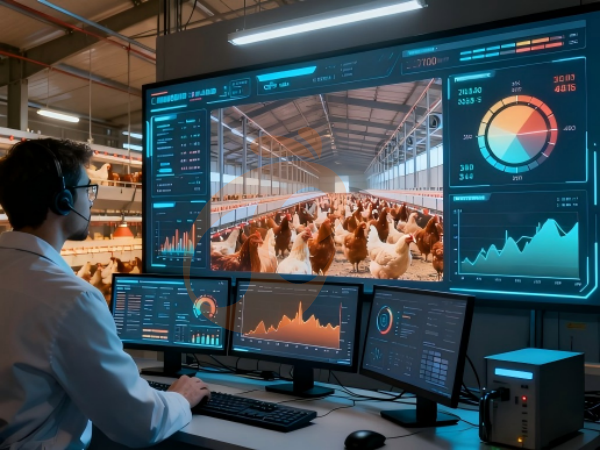
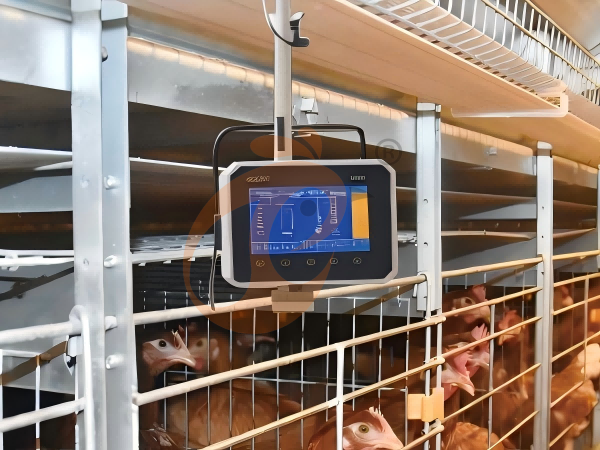
A iluminação integrada e a regulação térmica melhoram o desempenho uniforme da produção em todos os níveis.
Os dados são apenas para referência.Deslize horizontalmente para ver a tabela completa.
A sincronização do sistema melhora a estabilidade fisiológica em galinhas poedeiras.
Problema De Desgaste Estrutural E Fadiga Do Metal
A operação de longo prazo leva à degradação progressiva da malha de arame e das juntas estruturais sob carga cíclica.
Os dados são apenas para referência.Deslize horizontalmente para ver a tabela completa.
A fadiga mecânica se acumula devido à carga contínua e à exposição à corrosão ambiental.
Solução De Engenharia De Materiais Reforçados
Materiais estruturais atualizados prolongam a vida útil e melhoram a resistência mecânica sob condições de criação intensiva.
Os dados são apenas para referência.Deslize horizontalmente para ver a tabela completa.
Referência ao padrão da União Europeia apenas
Perguntas Frequentes
Q1: Por que o fluxo de ar difere entre os níveis das gaiolas?
A velocidade do ar diminui em direção aos níveis inferiores devido à obstrução pela estrutura da gaiola e pelas esteiras de esterco.
A faixa típica varia de 1.6 m/s nas zonas superiores a 0.5 m/s nas zonas inferiores.
Q2: O que causa alta concentração de amônia nos aviários de gaiolas?
O acúmulo de esterco sob as gaiolas libera gás amônia.
As zonas inferiores das gaiolas frequentemente atingem 26 ppm devido ao maior tempo de decomposição antes da remoção.
Q3: Como reduzir a quebra de ovos durante a coleta?
Ajuste a inclinação dos ovos entre 6.8° e 8.2° e use sistemas de esteiras amortecidas para reduzir a força de impacto abaixo de 1.8 N.
Taiyu (HK) Group - Um Dos Principais Fabricantes De Gaiolas Avícolas Em Bateria Da China
Gaiolas avícolas em bateria tipo A projetadas para sistemas comerciais de produção de ovos com design estrutural de múltiplos níveis e integração de alimentação automatizada.
Cadeia de suprimentos global direta da fábrica que garante fabricação padronizada de equipamentos avícolas e controle de qualidade consistente entre lotes de produção.
Portfólio completo de equipamentos avícolas, incluindo sistemas de gaiolas, unidades de ventilação, sistemas de manejo de esterco e módulos de automação de coleta de ovos.
Entrega de projetos turn-key abrangendo planejamento da granja, instalação, comissionamento e treinamento de operadores para sistemas industriais de alojamento avícola.
Rede internacional de serviços de exportação que apoia soluções de engenharia personalizadas e manutenção de longo prazo para instalações de produção avícola em grande escala.
Entre Em Contato Conosco Para Receber Seu Plano Personalizado De Granja Avícola
Sede E Filiais
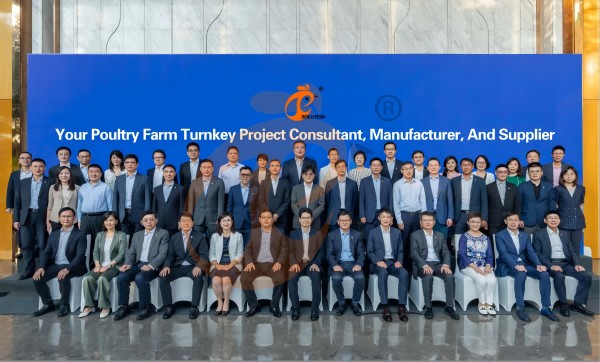
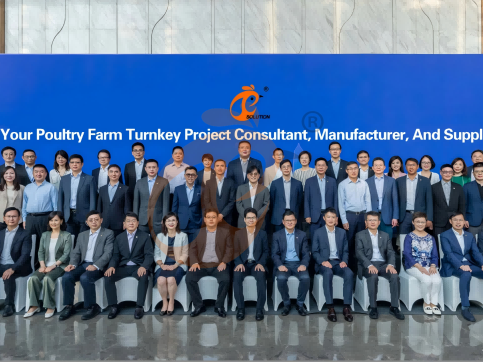
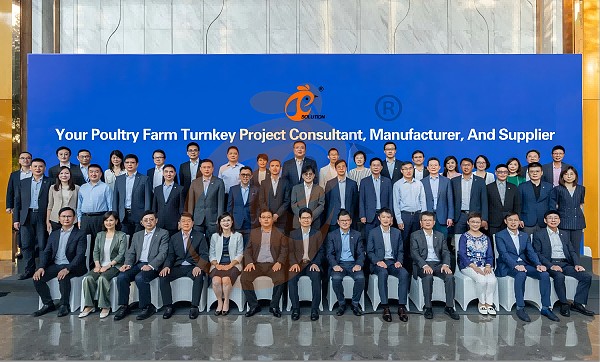
Equipe De Gestão Da Sede De Hong Kong
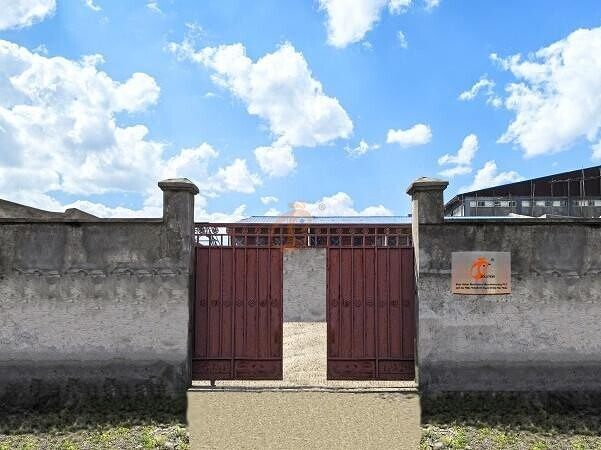
Sede De Hong Kong Taiyu Industrial Group CO., LTD
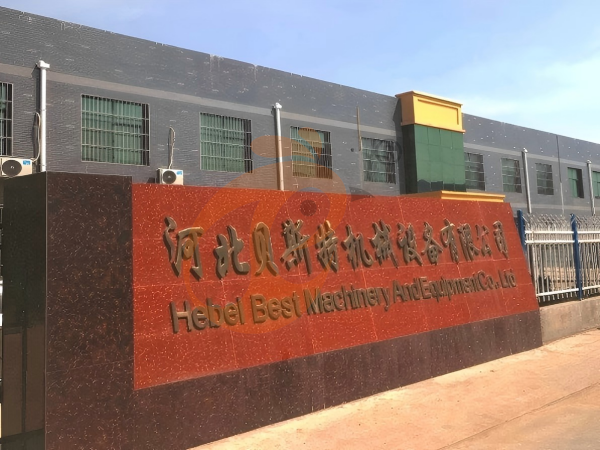
China Hebei Best Machinery And Equipment CO., LTD
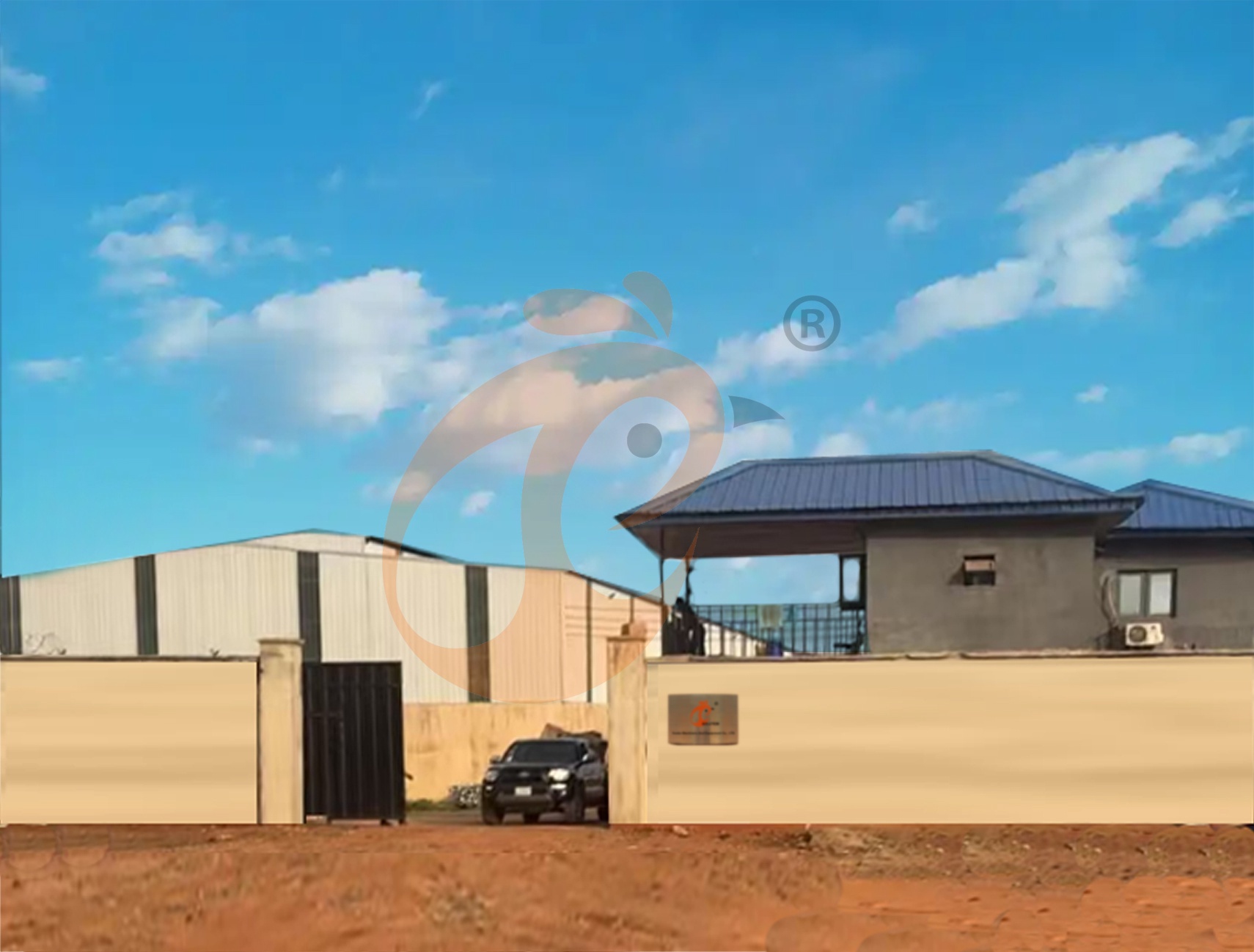
Nigéria Vanke Machinery And Equipment CO., LTD
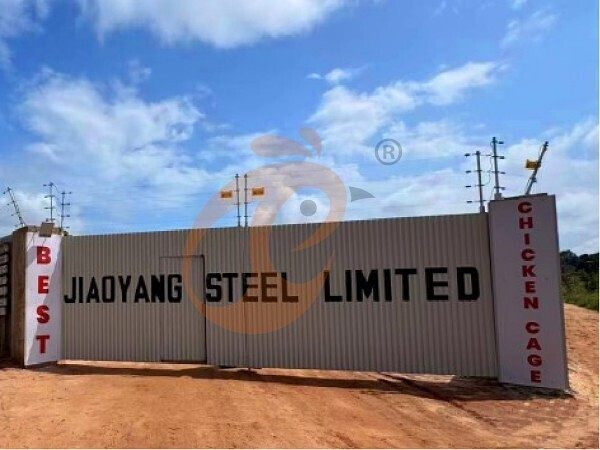
Tanzânia Best Machinery And Equipment CO., LTD
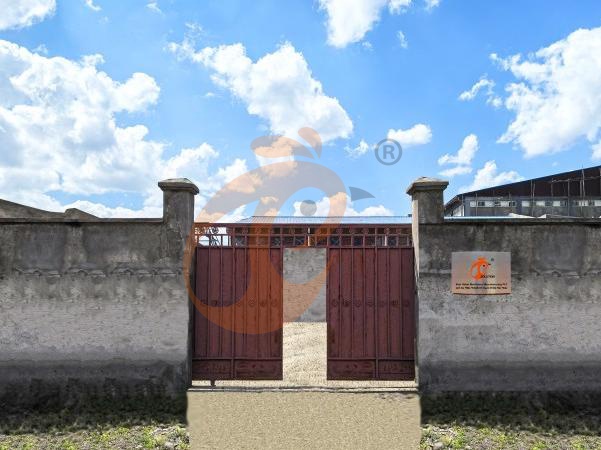
Etiópia Best Hebei Machinery Manufacturing PLC
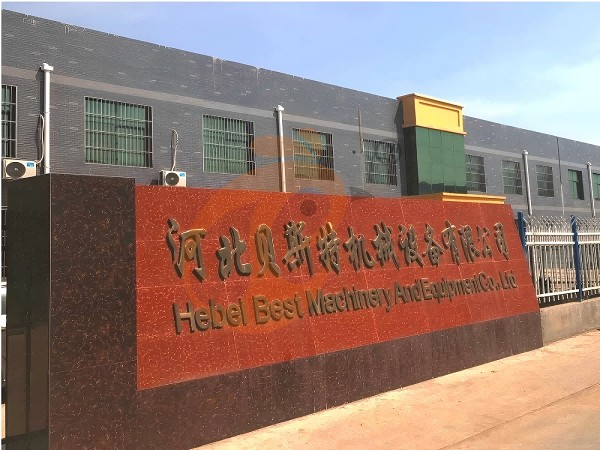
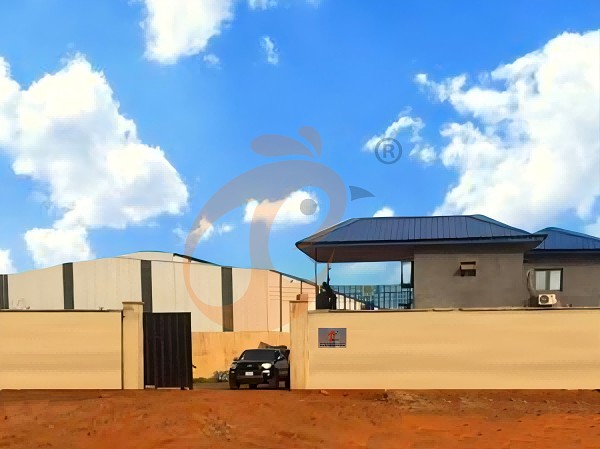
Recepção /24 WhatsApp N.º : +8618830120193
Perguntas frequentes
- battery cage
- battery cage system
- poultry battery cage
- poultry farm
- poultry house
- poultry cage
- cage
- poultry equipment
- manure removal system
- egg collection system
- battery cages
- poultry cages
- chickencage
- bestchickencage
- cage system
- poultry battery
- cage layer
- cage systems
- poultry battery cage system
- poultry battery cages
- Nigeria
- poultry housing system
- cage manufacturer
- poultry farm construction
- poultry farm plan
- coleta automatizada de ovos
Mensagem
Produtos recomendados
 Gaiola Automática Tipo A para 10.000 - 30.000 Galinhas Poedeiras1. Granjas avícolas de 10.000 a 30.000 galinhas poedeiras escolhem este produto
2. Galinhas poedeiras adultas começam a botar ovos às 16 semanas
3. Sua vida útil é superior a 25 anos
4. Nosso atendimento online 24 horas pelo WhatsApp: +8618830120193, +234 8111199996 >Gaiola em bateria automática tipo H para 30 000 frangas jovens1. Mais de 30.000 frangas por galpão, escolha este.
2. Foi projetado para criar frangas com mais de 1 dia de idade até frangos de 12 a 16 semanas que começam a botar ovos.
3. Sua vida útil é superior a 25 anos.
4. Sua estrutura é composta por fusão inteligente artificial Vcloud, armário de controle elétrico, equipamento automático de bebida, alimentação, limpeza de esterco e colheita manual.
5. Nosso atendimento online 24 horas por dia, número do What’sApp: +8618830120193 <30,000 Pullets Automatic A Type Battery Cage1. 10.000 a 30.000 frangas por galpão, escolha-o.
2. Foi projetado para criar frangas com mais de 1 dia de idade até frangos de 12 a 16 semanas que começam a botar ovos.
3. Sua vida útil é superior a 25 anos.
4. Sua estrutura é composta por fusão inteligente artificial Vcloud, armário de controle elétrico, equipamento automático de bebida, alimentação, limpeza de esterco e colheita manual.
5. Nosso atendimento online 24 horas no WhatsApp é +86 18830120193. >30,000 Frangos de Corte Automático H Tipo Gaiola Bateria1. Mais de 30.000 frangos por galpão, escolha este.
2. Ele é projetado para criar frangos de 1 a 45 dias de idade prontos para o mercado.
3. Sua vida útil é superior a 20 anos.
4. Nosso atendimento online 24 horas no WhatsApp é +8618830120193, +234 8111199996. >30,000 Frangos de Corte Gaiola em Bateria Tipo H Colheita Semiautomática1. Mais de 30.000 frangos por galpão, escolha este.
2. Ele foi projetado para a criação de frangos de 1 a 45 dias de idade, prontos para o mercado.
3. Sua vida útil é superior a 20 anos.
4. Nosso atendimento online 24 horas no WhatsApp é +8618830120193, +234 8111199996. >30,000 Frangos Manual Colheita Gaiola Bateria Tipo H1. Mais de 30.000 frangos por galpão, escolha-o.
2. Foi projetado para criar frangos de 1 a 45 dias de idade prontos para o mercado.
3. Sua vida útil é superior a 20 anos.
4. Sua estrutura possui fusão inteligente artificial Vcloud, armário de controle elétrico, equipamento automático de bebida, alimentação e limpeza de esterco, colheita manual.
5. Nossa recepção online 24 horas no What’sApp NO. é +8618830120193, +234 8111199996. <30,000 Broilers Manual Harvest A Type Battery Cage1. Menos de 30.000 frangos por galpão, escolha este.
2. Projetado para criar frangos de 1 a 45 dias de idade, prontos para o mercado.
3. Vida útil superior a 20 anos.
4. Sua estrutura inclui fusão inteligente artificial Vcloud, gabinete de controle elétrico, equipamentos automáticos de bebida, alimentação e limpeza de esterco, colheita manual.
5. Nosso atendimento online 24 horas pelo WhatsApp: +8618830120193, +234 8111199996. A Sede em HK Oferece Soluções para Avicultura em Padrão UE, Fabrica Equipamentos para Avicultura1. Comunicação contínua com a UE e os EUA
2. Filiais e fábricas na China, Nigéria, Etiópia e Tanzânia
3. A qualidade dos produtos é personalizada para aviários locais
4. Gaiolas para aves e equipamentos para aviários em estoque para venda
5. Atendimento online 24 horas por dia no Whatsapp NO.: +8618830120193, entre em contato conosco para obter informações completas Filial Chinesa Oferece Plano de Negócios para Avicultura, Fabrica Equipamentos para Avicultura1. Endereço: Flat/RM 2416, 24/F, Edifício Runxing, Rua Youyi Nan, Cidade de Shijiazhuang, Província de Hebei, China
2. Fábrica de equipamentos para aviários e gaiolas para aves e estoque à venda
3. Personalizado para aviários locais
4. Qualidade e design baseados no padrão europeu
5. Atendimento online 24 horas pelo Whatsapp NO.: +8618830120193 Filial na Nigéria Oferece Plano de Negócios para Fazenda Avícola, Fabrica Equipamentos para Fazenda Avícola1. Endereço: Após o escritório da Sinoma, 200 metros perto do Posto de Combustível Danco, Rodovia Lagos/Ibadan, Estado de Lagos, Nigéria
2. Fábrica de equipamentos para aviários e gaiolas para aves e estoque à venda
3. Personalizado para aviários nigerianos
4. Qualidade e design baseados no padrão europeu
5. Atendimento online 24 horas Whatsapp NO.: +8618830120193 Plano de negócios para uma granja avícola na filial da Etiópia, fabricação de equipamentos para granjas avícolas1. Endereço: Gelan Gura, Subcidade de Akaki-Kaliti, Adis Abeba, Etiópia
2. Gaiolas para aves e equipamentos para granjas avícolas em estoque para venda
3. Personalizado para granjas avícolas etíopes
4. Qualidade e design baseados no padrão Euro
5. Atendimento online 24 horas. WhatsApp: +8618830120193. Entre em contato conosco para obter a lista de preços Filial da Tanzânia Oferece Plano de Negócios para Fazenda de Aves, Fabricação de Equipamentos para Fazenda de Aves1. Endereço: No.8, Estrada Sova, Msufini, Mlandizi, Kibaha, Pwani, Tanzânia
2. Fábrica de equipamentos para aviários e gaiolas para aves e estoque à venda
3. Personalizado para aviários na Tanzânia
4. Qualidade e design baseados no padrão europeu
5. Atendimento online 24 horas por dia Whatsapp NO. : +8618830120193